Biometric data are personal data based on a person’s unique traits. This includes physical, physiological, or behavioral characteristics that make it possible to identify or verify someone’s identity.
Their use has become increasingly common in daily life, especially across mobile devices, banking services, and digital identity systems.
This expansion reflects the push for greater security and speed, but it also raises challenges around privacy and regulation. Below, you’ll find what biometric data are, the most common types, real-world examples, and the pros and risks of their use.
Biometric Data: What They Are, Types, Examples, and How They’re Used Today
What Are Biometric Data?
Biometric data is personal data based on physical, physiological, or behavioral characteristics that allow a person to be identified. It is used as a method of identification and authentication in technological systems to confirm your identity.
Biometric data is considered sensitive personal data because, unlike a password, it cannot be changed if compromised.
A password can be changed; a fingerprint, your face, or your iris cannot (at least not easily).
What you need to understand is that not all personal data is biometric. For example, your name or email address identifies you, but does not prove your identity on its own, as it does not depend on your characteristics. Biometrics, on the other hand, relies on your individual traits, which makes its relationship to identity much closer.
That is why, if leaked or misused, the impact is often greater than with other personal information, which is why it is considered sensitive data.
Types of Biometric Data
Biometric data are classified based on where the information comes from:
Physical biometric data. Based on bodily characteristics. Examples: fingerprint, hand geometry, retina, DNA, face, iris, or palm pattern.
Physiological biometric data. Derived from signals of bodily function. Examples: voice, body temperature, heartbeat, or vascular pattern.
Behavioral biometric data. Describe repeated behavioral patterns over time. Examples: your signature, digital behavior, typing style, or gait.
These groups of data are rarely used in isolation. In many cases, they’re combined to strengthen biometric identification and reduce errors.
Examples of Biometric Data
Biometric data are increasingly used in everyday situations, both in physical spaces and online services. In fact, you probably already use several in your day-to-day life.
Real-world examples of biometrics in action:
Unlocking your phone: using your fingerprint or Face ID.
Banking and fintech: identity verification through facial recognition or fingerprint scanning to log into a banking app, authorize payments, or transactions.
Immigration control / airports: by identifying yourself with your retina or fingerprint.
Biometric signature: signing digital documents with an electronic signature.
Corporate access control: using facial recognition or fingerprint recognition to access offices, platforms, or remote-work tools.
As you can see, biometric authentication is naturally integrated into almost every interaction with the digital and physical environment. Without realizing it, it’s reduced our reliance on passwords and other traditional methods, offering faster, more direct identity confirmation.
What Are Biometric Data Used For?
Biometrics are used to confirm who you are when a system needs high-confidence identity validation—especially in situations where other methods are insufficient or less secure.
Therefore, biometric data are used for:
Security and authentication. The most common use: controlling access to devices, accounts, or spaces so only the authorized person can enter.
Fraud prevention. Biometric recognition adds a verification layer that helps detect identity theft attempts and fake profile creation.
Digital identity. It helps a real person establish a more trustworthy presence in the virtual world through biometric identification.
Legal processes and e-signature. Biometrics are used to give legal validity to documents, serving as an additional element to support that the action was performed by the correct person.
User experience (UX). Thanks to biometric authentication, everyday interactions are simplified by reducing unnecessary steps like remembering passwords or repeatedly filling out forms.
Today, biometrics are part of a broader digital revolution that’s redefining the relationship between people, identity, and technology. That’s why their use is woven into everyday, legal, and financial processes.
Advantages and Risks of Biometric Data
It’s clear that biometrics offer tangible benefits in terms of security and convenience. On the other hand, they also pose important risks if not managed properly. Understanding both sides is key to evaluating their impact:
Advantages of Biometric Data
Speed and ease of use. They let you access or validate identity in seconds.
Convenience. They eliminate the need to remember passwords.
Stronger security than passwords. Because they’re based on unique biological traits, they’re harder to guess or share.
Harder to forge. Replicating a fingerprint, your facial map, or your iris pattern is generally more complex than stealing traditional credentials—though not impossible.
Risks of Biometric Data
Irreversible theft or alteration. Unlike a password, a biometric cannot be easily changed if it’s hacked.
Misuse or excessive surveillance. Data may be used to track someone without consent or for purposes beyond those agreed.
Lack of transparency in handling. You may not know exactly how data are stored, protected, or shared.
Technological dependence. System failures or read errors can lock out a legitimate user.
Responsible use of sensitive data therefore depends on balancing innovation, privacy protection, and proper controls over data handling.
Protection and Regulation of Biometric Data
Biometric data require special protection because they’re tied to your permanent identity. Unlike other personal data, once compromised, they can’t be easily replaced or updated.
For this reason, most regulatory frameworks include biometrics among the most sensitive categories. While each country applies its own nuances, three basic principles are common:
Personal data protection: organizations must clearly inform what is collected and how it is processed.
Informed consent (when applicable): you must understand the purposes and be able to accept or decline.
Proportional and limited use: organizations should request only what’s necessary and for specific purposes. For example, don’t ask for an iris scan if a fingerprint suffices.
Additionally, entities that collect or process biometric data are legally responsible for safeguarding them. They must ensure information is encrypted and not used for purposes other than those authorized.
Biometrics and the Future of Digital Identity
As digital identity becomes more common and AI improves, biometrics are gaining ground across more services. Increasingly, verification processes are integrated almost invisibly, prioritizing speed, security, and a better user experience.
So, what’s ahead?
Key biometric trends include:
Contactless biometrics: growth of methods that don’t require physical touch, especially for access control, transportation, and services.
Multimodal biometrics: combining several biometric traits to increase accuracy and reduce errors.
Integration with AI: using AI tools to improve fraud detection, adapt to normal changes, and strengthen identity verification.
This progress is already reflected in the growing use of biometrics in:
Financial services: where identity verification and fraud prevention are priorities.
Commerce: to enable faster experiences in payments, returns, or validations.
Government institutions: to simplify procedures and centralized access.
In the near future, the question won’t be whether to use biometrics, but how to integrate them safely and proportionally within digital identity.
Conclusion
Understanding what biometric data are and how they’re used is key to making better decisions in an increasingly digital world. That’s the only way to leverage their benefits without losing sight of privacy and control over your identity.
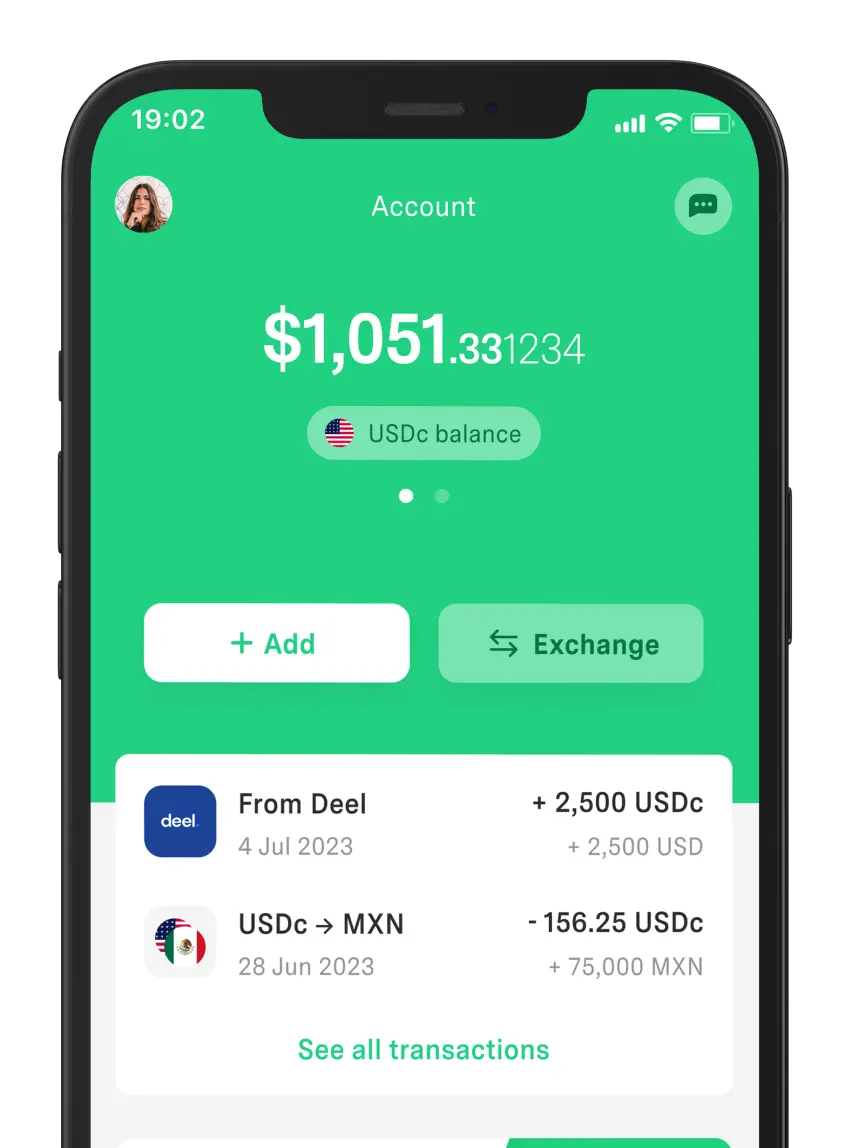
In essence, biometrics aim to make digital access more secure—and at DolarApp, we’re fully aware of that. We work with various authentication methods, including biometric identification, to keep your finances protected.
Use the app to send/receive or convert digital dollars and euros easily and securely. We offer transparent, competitive exchange rates for you.
Frequently Asked Questions
What are biometric data?
They are personal data based on unique physical, physiological, or behavioral traits. They’re used to identify or verify a person within technological systems, both in physical and digital environments.
What are examples of biometric data?
Examples include facial recognition, iris, voice, fingerprint, handwritten signature, and behavioral patterns used to access devices, validate identities, or authorize actions without relying on traditional passwords.
Why are biometric data considered sensitive?
Because they’re tied to a person’s identity and cannot be easily changed if compromised. This heightens the consequences of misuse, leaks, or opaque handling.
Is it safe to use biometrics?
Biometrics can be safe if implemented correctly: data are protected, you’re informed about their use, and their application is limited to what’s necessary. Even so, some risk always remains.
Can biometric data be changed?
In most cases, no, because they’re linked to permanent traits—unlike other data. Hence the importance of protecting them and strictly limiting their use.


 Freelancer tips