Group dynamics are activities designed to observe and improve how people interact when they work together. Through them, you can move from theory to action and understand how a team actually functions in real time.
When applied well, group dynamics become a practical resource to evaluate, strengthen teams, and generate learning. In the following lines, you’ll discover the types, how to choose the right one, and ready-to-use examples.
Group Dynamics: What It Is and Examples for Integration and Hiring
What Is a Group Dynamic?
It’s an activity designed to achieve a specific objective (such as improving communication) in which the group participates actively and their interaction is observed in a real or simulated environment. This makes it an excellent tool for training, hiring, and therapy.
It’s not the same as a recreational activity, which aims to entertain. Group dynamics, on the other hand, seek to obtain useful information. They also have an objective, a fixed time, rules, and a brief closing to collect what happened and what was learned.
It’s also not the same as a focus group, since that technique aims to gather opinions or perceptions, not to observe group interaction.
What Are Group Dynamics For?
They’re used to evaluate communication, leadership, collaboration, and decision-making in a controlled context. In other words, they allow you to observe people’s real behaviors when they interact.
However, their usefulness changes according to the objective, for example:
Hiring processes (HR). Used to evaluate competencies beyond what an interview shows. This includes soft and hard skills, leadership styles, adaptability, and how problems are solved under some pressure.
Teamwork. Team-building dynamics are used to strengthen trust, facilitate more open communication, create a safe environment, and improve collective results.
When applied correctly in work teams, you can strengthen coordination, create synergy, and encourage balanced participation.
Types of Group Dynamics
There are group integration dynamics (to connect and energize the team), and others focused on communication, trust, or collaboration.
Group size: teams of 3–6 (several teams if large).
Steps:
Provide paper + tape.
Challenge: build the tallest stable tower in X minutes.
Final test (e.g., stands for 10 seconds).
What to evaluate: coordination, planning, spontaneous roles, time management.
4. Role-Based Problem Solving (hiring)
Objective: simulate a real work scenario and observe decisions.
Duration: 20–35 min.
Group size: 4–8.
Steps:
Present a brief case (e.g., delivery delay, budget cut).
Assign roles (leader, analyst, client, etc.).
10 min prep + 10 min discussion + final proposal.
What to evaluate: reasoning, influence, collaboration, adaptability, problem-solving under pressure.
5. Consensus Building (negotiation & listening)
Objective: reach agreements and prioritize as a group without losing focus.
Duration: 20–30 min.
Group size: 5–12.
Steps:
Provide a list of 10 items (tasks, resources, rules, or priorities).
Each person prioritizes individually (top 5 or rank 1–10).
The group discusses until building a final, consensual list.
What to evaluate: listening, handling disagreement, ability to yield, focus on objectives.
6. Affinity Mapping (team interests/values)
Objective: find common ground and strengthen team cohesion.
Duration: 15–25 min.
Group size: 4–20 (split if large).
Steps:
Each person writes 3 interests or values (1 per note).
Post all notes and group them by similarity, following an affinity diagram logic.
The group names each cluster and shares a quick insight.
What to evaluate: participation, openness, respect, synthesis, and connections among people.
7. Quick Retro (improving team dynamics)
Objective: improve team dynamics and performance.
Duration: 15–30 min.
Group size: 4–12.
Steps:
Split into 3 columns: Start, Stop, Continue.
Each person adds 1–3 ideas per column.
Vote on 2–3 actions and define owner + review date.
What to evaluate: ability to give feedback, focus on actions, maturity to agree on changes.
8. Debate with Assigned Stance (argumentation + disagreement management)
Objective: practice respectful, well-reasoned disagreements without personalizing.
Duration: 20–35 min.
Group size: 6–14.
Steps:
Present a concrete topic (e.g., prioritizing growth vs. efficiency).
Assign stances (pro/con) without letting participants choose.
Brief prep + debate with rules + close with a learning from the “opposite side.”
What to evaluate: quality of arguments, listening, respect, emotional management, and ability to reach agreements.
How to Choose the Right Dynamic
The dynamic must address the group’s real need, so you should:
Define an objective. Ask what you need to achieve: integrate the group, assess competencies, or solve a specific challenge?
Consider the context. Not all dynamics work the same. If in person, you can include movement and physical materials. If remote, choose options with simple instructions, turn-based participation, and online tools.
Adjust to available time. Factor in preparation, execution, and closing.
Review group size. For large groups, split into subgroups and define roles (moderator, rapporteur). For small groups, pick a dynamic where everyone has space to participate.
Also keep risks in mind:
Ensure the dynamic doesn’t create bias or discomfort.
In hiring, avoid showcasing only the most extroverted; define clear evaluation criteria.
In teams, ensure no one feels exposed; set rules so a single person doesn’t dominate.
If everything is aligned, you already have the essentials: a relevant dynamic that flows and yields useful learning.
How to Facilitate a Dynamic
To make a dynamic work, you need to guide it with structure and close with clear conclusions:
Kick off with context: explain the goal, basic rules, and timing.
Let it happen: don’t steer every step; let the group interact while you observe and record what matters.
Close with a debrief: ask what happened, what caused it, and what they would change next time.
Turn it into actions: end with 1–3 concrete agreements (who will do it and when you’ll review it).
If you want to deepen the group’s learning, certain models can help. The Johari Window, for example, lets you discuss what each person knows about themselves and what the team perceives. That way, the debrief becomes clearer.
Conclusion
A group dynamic lets you observe how people act when they truly have to interact. But to work, it needs a clear objective, rules, a defined time, and a closing that turns the experience into practical learnings and agreements. That way, it stops being just an activity and becomes a real tool to evaluate individuals or strengthen teams.
In the end, it all comes down to the same thing: clarity in choice and concrete actions—just like when you look for ways to manage your finances.
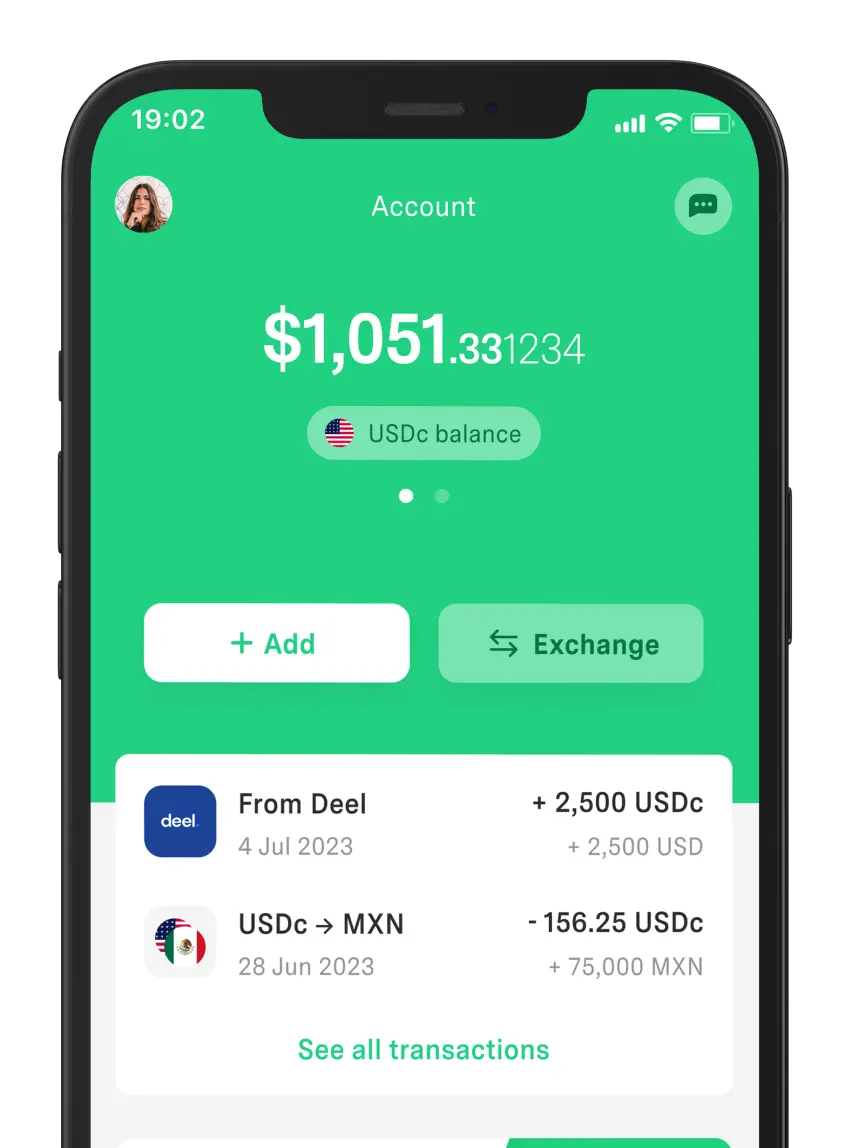
In this case, DolarApp is a practical option, working well to manage operations in USDc and EURc. No matter where you are, you can use the app to send, receive, or exchange international currencies at a fair rate.
Frequently Asked Questions
What is a group dynamic and what is it for?
It’s an activity carried out with several people to observe or improve interaction. It helps identify how they communicate, collaborate, what roles they assume within the group, and how they make decisions when they must interact with others.
What are easy, quick group dynamics?
The simplest are those that require no materials or extensive prep, such as check-in questions, icebreakers, or brief prioritization exercises. They take just a few minutes and activate participation and interaction.
What do they evaluate in a group dynamic during an interview?
They evaluate how you interact with others, how you communicate ideas, collaborate, listen, assume roles, and solve problems under pressure. They also observe how you handle disagreement, adapt, and focus on results.
How can you improve a team’s dynamics?
Choose a dynamic aligned with the objective, repeat short sessions, foster open communication, and create a trusting environment. Also, aim to close dynamics with concrete agreements that are reviewed and adjusted over time.


 Freelancer tips