Work and Travel
 The 7 Best Travel Cards (No Hidden Fees)
Discover the 7 best cards for traveling the world without hidden fees—and how to choose the most suitable one for you.

Sofia Santos 2/2/2026

Traveling to Europe in 2026 from Mexico is much simpler when you know what you might be asked for upon arrival. Here you’ll find a checklist with the essentials and an easy explanation of the 90/180 rule in the Schengen Area.
You’ll also see the changes already underway with EES and what to expect from ETIAS when it comes into force. The idea is that you won’t learn about anything at the counter or at immigration, but before you leave—so read this guide to the end.
2026 Requirements | Status and details for Mexican travelers |
Documentation | Valid passport and compliance with the 90/180 rule within the Schengen Area. |
EES system | Biometric data registration at borders, already operational. |
ETIAS permit | Mandatory travel authorization that the EU plans to implement toward the end of 2026 for visa-exempt countries. |
The key requirements for traveling to Europe in 2026 from Mexico are:
A valid Mexican passport that covers your stay (preferably in good condition).
Return ticket or onward travel within the allowed time.
Lodging reservation or invitation letter if staying with someone (depending on the country).
A basic itinerary: cities, dates, transport between destinations (even a simple one).
Sufficient funds for the stay.
ETIAS authorization (if it’s already in force when you travel).
EES (biometrics at immigration), operational since October 12, 2025.
Travel insurance (recommended, as it is sometimes requested).
Compliance with the Schengen 90/180 rule.
For the 90/180 rule, use the official calculator before buying flights to Europe and avoid possible issues.
Extra tip: Consider a Europe eSIM so you have data on arrival and can quickly access reservations, tickets, and proof of purchase.
These three terms get mixed up all the time—Europe, the European Union, and the Schengen Area—but they’re not the same.
Europe. The continent comprising many countries, some with different European rules and currencies.
European Union (EU). An organization of European countries that share economic and political agreements.
Schengen Area. A group of 29 countries that functions as a single “zone” for short stays, with entry controls under a common framework. Twenty-five of them are EU members.
Why does this matter when traveling to Europe from Mexico?
Because when you search for “requirements to enter Europe,” what you actually need to know is whether your destination belongs to the Schengen zone. That’s where the short-stay logic applies (such as the 90/180 rule) and where border changes fit.
Also, there are EU countries that are not in Schengen, and others that are not in the EU but are part of Schengen. So to plan your trip well, the key is to identify whether you’re entering Schengen or not.
There are countries that do not require a visa from Mexican citizens, including some on the European continent.
In general, Mexican citizens can enter Schengen countries, but you still must meet the following requirements:
You need a Mexican passport if traveling for tourism or a visit. It must have been issued within the last 10 years and be valid for at least 3 months after your intended departure date.
The 90/180 rule is simple: you may stay up to 90 days within any 180-day period in the Schengen zone. The days are cumulative across all Schengen countries and do not reset just because you change countries.
How does this work?
Suppose you’ve already spent 30 days in a Schengen country and re-enter within the following 180 days. In that case, you’d have 60 days left, as long as you haven’t used more days within that same period.
At immigration you may be asked to show proof that you meet the entry conditions.
The most common requests are:
Proof of exit: a return ticket or onward travel outside Schengen.
Lodging reservation or an invitation letter with the host’s details (if applicable).
Sufficient financial means to cover your stay in the country.
Although a visa is not required for stays of 90 days or less, it’s wise to arrive with your documentation in order.
Since 2025, many European border points no longer stamp passports manually. This control has been replaced by a digital registry called EES (Entry/Exit System).
What is EES and since when does it apply?
In Spanish, it’s the EU Entry/Exit System, which began operating October 12, 2025. Although its rollout is gradual, it’s expected to be fully operational by April 2026.
The system was created to collect your biometric data and travel information. This includes fingerprints, facial recognition, and information related to your entry/exit.
The idea is to replace manual stamping with automation to improve the immigration experience. Still, it’s worth taking precautions…
Even though the new system speeds things up, we recommend:
Arrive early, since your first entry with registration may take longer.
Keep your passport and documents handy (even if they don’t always ask).
Check that name, passport number, and date of birth match on your ticket and reservations.
Use the same passport throughout your trip.
Switching passports mid-trip can complicate verifications.
ETIAS is an electronic authorization intended for travelers who can enter the Schengen Area for short stays without a visa. It’s not a visa per se, but a permit that will be required of visa-exempt nationalities (like Mexico) once it takes effect.
Here’s what Mexicans should know about ETIAS 2026:
ETIAS is not yet active, but the EU has announced on its website that it may begin operating toward the end of 2026.
While the fee long referenced was €7, the latest official information indicates the price will be €20 when the system launches. In any case, confirm the amount at the time of application on the official site, as it may change.
ETIAS is linked to your passport. It is valid for up to three years, but if your passport expires earlier, the authorization ends on the same date.
Note: The permit is processed with the passport you plan to travel with, so make sure to use the same document.
The EU has communicated that you’ll be able to apply online once the system is live.
Basic steps:
Access the official channels (website or app) and complete the application.
Pay the corresponding fee (when applicable).
Receive confirmation and travel with the same passport you used to apply.
Remember, it’s not functioning yet. Be wary of any website claiming “we process ETIAS today” or asking you for payments.
Even if you meet the requirements for traveling to Europe in 2026 from Mexico, some common situations raise questions. Here are the most frequent:
In most cases, you pass immigration at your first Schengen entry point, even if your final destination is another country. If your layover is airside international transit without entering Schengen, it can be different.
Therefore, have your documents ready for that first entry.
If your plan exceeds the 90/180 rule, or you’re going to study/work, you’re no longer in a typical short tourist stay. In that case, you’ll usually need a visa or specific permit depending on the country and purpose.
Minors generally need their own passport. Additionally, depending on the country and whether they travel with one or both parents (or with a third party), additional documents may be required.
Because this can vary based on those criteria, check before making big plans.
Yes. An airline may deny boarding if basic requirements aren’t clear (passport, proof of exit, etc.). At the border, entry can be refused if you can’t prove the purpose of travel or that you’ll leave within the allowed period.
In general, these cases are prevented with advance prep. Just check your route, calculate your Schengen days correctly, and travel with supporting documents ready. That way, you’ll avoid most issues before boarding and upon arrival at immigration.
Traveling to Europe from Mexico in 2026 remains an attractive and feasible option. The key is to keep your documentation up to date, understand the 90/180 rule, and anticipate border changes with EES.
It also requires more planning than before, since ETIAS is added to the list of requirements for 2026. The permit is expected to go into effect toward the end of the year and will be an extra step worth handling in advance.
It’s also worth planning your expenses carefully—not only because you’ll need to factor in the ETIAS fee, but because the exchange rate can move and affect your budget.
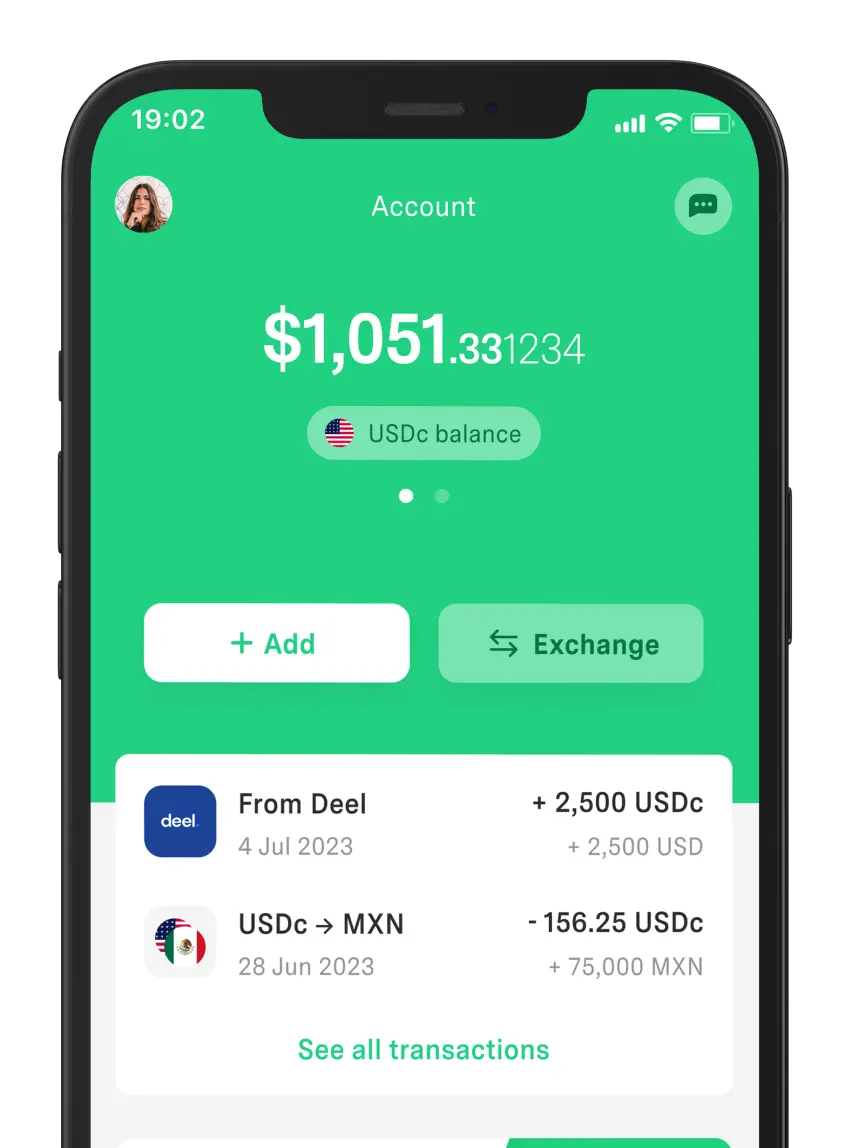
To avoid surprises, keep better control of your spending with DolarApp. Our app makes it easy to manage funds through an EURc or USDc account, allowing you to convert at a competitive rate.
You can also use it to send funds from Spain to Mexico (or vice versa) for a cost of 3 EURc.
ETIAS is an electronic travel authorization for people who currently enter the Schengen Area without a visa for a short period. It will be requested before traveling and checked at the border along with your passport.
According to the EU, the permit will start operating in the last quarter of 2026. Until then, no travel authorization applications are being accepted.
The fee set by the EU is €20, although the previously announced amount was €7. This charge will take effect when ETIAS is operational, not before its launch.
EES (Entry/Exit System) is the new electronic entry/exit system in Schengen countries for short stays. As a Mexican traveler, you may have your fingerprints, facial image, and passport/travel data recorded.
If the country you’re visiting is within the Schengen zone, you can stay a maximum of 90 days within any 180-day period. To avoid mistakes, calculate your dates with the official 90/180 tool.
Sources:

The world has borders. Your finances don’t have to.
Work and Travel Discover the 7 best cards for traveling the world without hidden fees—and how to choose the most suitable one for you.
 Work and Travel
 The price of the Mexican passport in 2026 depends on the validity you choose and whether you qualify for any benefits. Find out here, along with the requirements to apply.
 Work and Travel
 What can you take in your carry-on when you fly? Here we explain standard sizes, rules, and permitted items.