A prospective customer is someone who, based on their profile and behavior, has a real possibility of buying what you offer. Identifying them is key to selling more and better because it lets you focus time and budget on real opportunities. It also improves follow-up, since you know whom to nurture and whom to move straight into a sales conversation.
Keep in mind it’s not the same as attracting an audience—visibility alone doesn’t guarantee sales. The difference lies in intent: when someone has real interest, they leave signals that turn attention into an opportunity.
Don’t worry—this post explains which types exist, how to identify them, and which mistakes to avoid.
What Prospective Customers Are: Types and How to Recognize Them
What Are Prospective Customers?
Prospective customers are people or companies that show signs of interest in a product or service but haven’t completed a purchase yet.
In marketing and sales, they’re also known as leads, but that term includes anyone who leaves their data or interacts with a campaign. A prospective customer, by contrast, refers to leads that truly have a chance of moving toward a sale due to their profile or behavior.
These prospects are crucial within the sales funnel because they bridge the gap between initial interest and purchase. If you nurture them well (with information, follow-up, and trust), they turn into customers and keep the funnel alive.
Who Are Prospective Customers?
Prospective customers are users who fit your ideal customer profile and have also had some measurable contact with your brand. This could be requesting information, completing a form, or asking for a demo.
In short, they are individuals or companies that may need what you offer. Therefore, when prospecting for customers, you should look to recognize these signs and separate those who are merely curious from those who have a real need.
What you should keep in mind is that:
General interest is usually curiosity, entertainment, or content consumption without intent to advance.
A real need signals a problem, goal, or urgency your product or service can solve.
With this in mind, the next step is understanding the types of prospects so you can prioritize them and give them the right follow-up.
Types of Prospective Customers
Prospects can be classified in different ways. In many cases, RFM analysis is used to prioritize them by behavior and guide the right follow-up.
However, one of the most common approaches is to segment them by their level of interest and by their degree of qualification within the commercial process:
Prospects by Level of Interest and Commitment
Cold prospects. Contacts who might know your brand, but their interest is still low or unclear.
Warm prospects. They show moderate interest while evaluating alternatives, prices, or benefits.
Hot prospects. They have high purchase intent and are close to taking the next step.
Prospects by Degree of Qualification
MQL (Marketing Qualified Lead). A lead that the marketing team considers ready for closer follow-up due to profile and behavior—either because they fit your audience or have shown clear interest signals.
SQL (Sales Qualified Lead). A lead that the sales team considers a real opportunity—often because they fit the profile better, have a more defined need, and are closer to a sales conversation or proposal.
Prospective customers can also be classified by purchase frequency or volume and by their degree of influence.
Examples of Prospective Customers
There are many examples of prospects based on the actions they take and the interest signals they leave.
Here are a few:
A student who downloads an e-book or free resource from your website.
A company that schedules a demo or sales call.
A person who requests information via WhatsApp or live chat.
A visitor who adds products to the cart but abandons the purchase.
A person who registers for a webinar or online event.
A company that downloads a catalog or case study.
A subscriber who joins your newsletter to receive information or offers.
A business that asks for consulting.
A user who repeatedly visits the pricing or plans page.
A person who requests a free trial or access to a demo version.
Different actions can indicate different levels of interest, but you need to recognize the signals that truly indicate purchase intent.
How to Identify Prospective Customers
Lead generation happens when you capture new contacts. The key to identifying prospects lies in observing how and where they interact with your brand.
These are the most common ways:
Web forms. Detect interest when someone leaves their details to request information, get a quote, or ask for a demo. The more specific the request, the higher the usual purchase intent.
Social media. Beyond likes, look at direct messages, price questions, comments asking for details, or clicks on the profile link.
Email marketing. Watch for frequent opens, clicks on key links (pricing, catalog), and replies with concrete questions.
Website chat / WhatsApp. It’s a strong signal when people ask about availability, costs, timelines, or requirements. Here, it’s useful to filter with 2–3 quick questions.
Behavior analytics (visits, clicks). Spot patterns: repeated visits, more time on certain pages, browsing pricing/plans, services, and downloads. If they return several times, it’s likely a more qualified lead.
Graphic organizers can help you map the funnel and lead flows. That way, it’s easier to identify and follow up by stage.
Importance of Prospective Customers in Sales and Marketing
Working with prospects lets you focus efforts where there’s real sales opportunity. This often translates into:
Resource optimization: you prioritize those most likely to buy and reduce wasted time.
More predictable sales: by measuring and nurturing leads by stage, you project results more accurately.
Better campaign ROI: you invest budget more effectively by attracting and converting contacts with higher intent.
Higher conversion rate: by following up with more qualified leads, close rates rise.
To improve conversion, consider applying methodologies like AIDA. This way, you can guide the prospect from attention to action according to their interest level.
Common Mistakes When Working with Prospects
Identifying prospects is only the first step. Without good management, it’s easy to make mistakes that can hurt sales and results. Avoid the following:
Not qualifying them. Treating any lead as an opportunity wastes time and focus. Filter by profile and intent before investing sales effort.
Not aligning marketing and sales. If both teams don’t share criteria, efforts get duplicated and contacts are lost along the way.
Treating everyone the same. A cold lead doesn’t need the same message as someone ready to buy. When you don’t tailor the approach, response drops and conversations cool off.
Not following up. Many leads don’t buy on first contact. Without clear follow-up, you lose opportunities that could move forward with a timely response.
In advanced stages, negotiation strategies are key to closing opportunities. If you skip them, decisions can stall just as the buyer is ready.
In short, poor management can keep lead generation from turning into real opportunities.
Conclusion
Identifying and managing prospective customers is foundational for sustainable growth. When you know who they are, how they behave, and what stage they’re in, you can prioritize better, follow up with intent, and convert more opportunities into sales.
In the end, growth comes when you work the sales funnel with sound judgment, consistency, and a clear strategy.
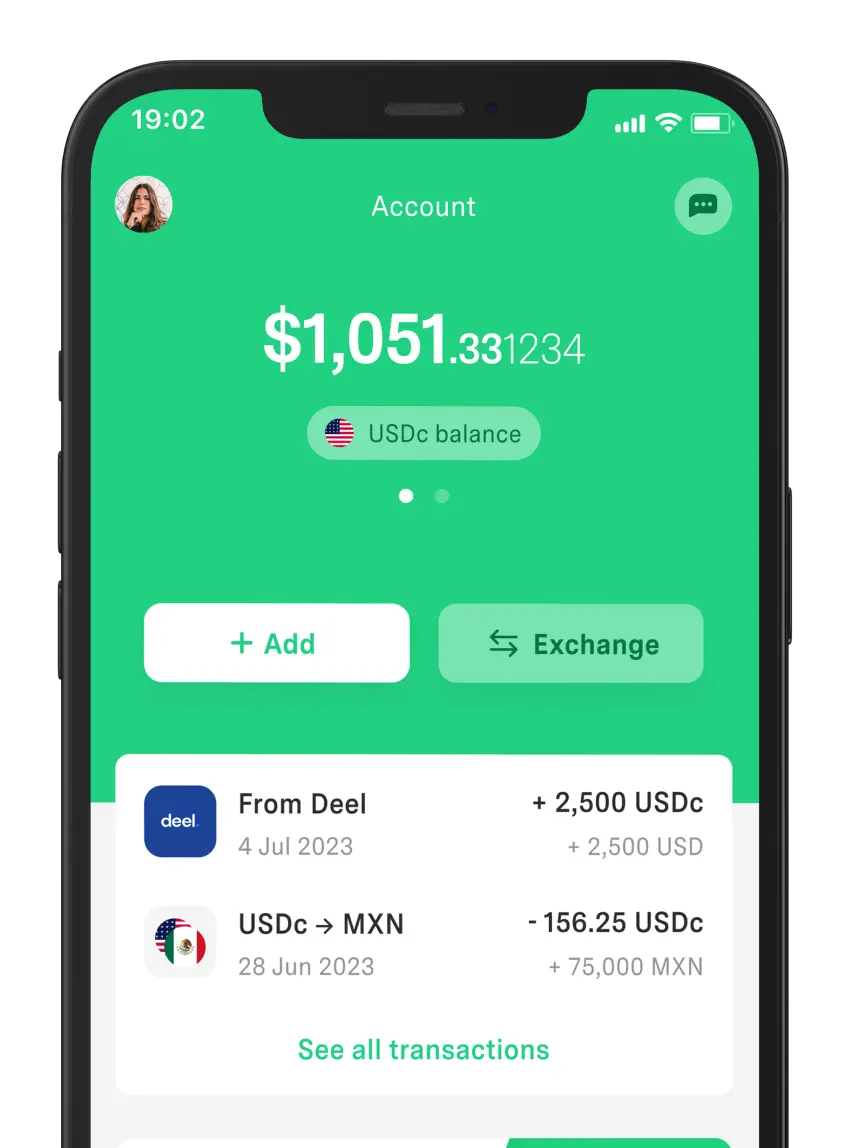
Just as organizing your prospects helps you sell better, DolarApp gives you more control over your income—especially if you’re paid in different currencies, since we work with both digital dollars and euros. You can also exchange currencies at a transparent, competitive rate whenever you want.
Frequently Asked Questions
What is a prospective customer?
A prospective customer is a person or company interested in a product or service, with a real possibility of becoming a buyer. Even if they fit the ideal profile, they haven’t made the final decision yet.
What’s the difference between a lead and a prospective customer?
A lead is any contact who interacts with a brand, while a prospective customer is a more qualified lead with greater fit and real intent to move toward a purchase.
What are the types of prospective customers?
The most common types are classified by interest (cold, warm, hot) and by qualification (MQL and SQL). There are also criteria like fit with the ideal profile, behavior (interactions), and purchase type or volume.
How do I know if a prospect is ready to buy?
A prospect is usually ready when they ask about prices, terms, or timelines, request a proposal or demo, and show urgency or repeated interactions with the brand.
Why are prospective customers important?
They’re important because they let marketing and sales focus on real opportunities and improve conversions. They’re also key to optimizing resources and working the funnel more predictably and efficiently.


 Freelancer tips