Work and Travel
 Carry-On Luggage on Airplanes: Sizes, Rules, and What You Can Bring
What can you take in your carry-on when you fly? Here we explain standard sizes, rules, and permitted items.

Sofia Santos 2/5/2026

In the past, planning a trip meant spending hours comparing flights, hotels, and reviews. Today, AI trip planners promise to simplify that process and build itineraries in minutes.
For this reason, in 2025 there are multiple AI trip planners, from conversational assistants to specialized platforms. But traveling with AI doesn’t mean delegating everything—you need to know what to ask for, what data to provide, and what to verify.
In this post, we’ll cover what AI trip planners are, how they work, their pros, limitations, and examples. The goal is to help you use them without losing control or judgment when making important decisions.
An AI trip planner is a system that uses artificial intelligence to design itineraries based on your preferences. Essentially, it suggests days, routes, destinations, accommodations, and activities that fit your budget, dates, and travel style.
Some rely on conversational AI models (such as ChatGPT or Gemini). Depending on which you use, your itinerary may include a combination of flight, hotel, and review data.
However, two main types are common today:
General chatbots. Useful for explaining what you want and getting a first outline with ideas, suggested routes, and a base itinerary.
Examples: ChatGPT or Copilot.
Specialized AI trip-planning platforms. These usually offer more guided adjustments, with interfaces to build days, maps, and alerts.
Examples: Wonderplan, RatePunk or iPlan AI.
The point of using an AI trip planner is that you don’t have to build everything manually—you get a base plan and then fine-tune it.
AI trip planners do the heavy lifting by processing massive amounts of data instantly.
It starts with a prompt. You enter the destination, dates, budget, and type of trip you want.
The AI planner generates a proposal. It replies with a day-by-day itinerary, with activities, routes that fit your style, and suggestions.
You make adjustments (when possible). From there, you can request specific changes like “more museums,” “fewer transfers,” “adjust the spend,” or “add one extra night in another city.” That way you refine the plan without starting from scratch.
The key difference lies in the data.
Some planners connect to live flight and hotel data and show real options, while others only generate ideas.
In both cases, the goal is the same: save time and help you decide better.
Here are the benefits an AI trip planner can offer:
Time savings and less stress. If you want to travel the world—or your itinerary includes several cities, layovers, or departures from different airports—you can create a ready plan in minutes.
More personalized itineraries. AI considers what you want to spend, your interests, and your constraints. It proposes routes tailored to your travel style instead of one-size-fits-all itineraries.
Inspiration for new destinations. Using AI travel tools, you can discover alternative places, lesser-known activities, or cities that might not have crossed your mind.
Better experiences for companies and agencies. Professionally, AI enables more relevant recommendations, automated responses, and a smoother experience in platforms and apps.
The main value of traveling with AI is simplifying decisions, whether you’re short on planning time or your trip is complex. That said, not everything is positive…
While an AI trip planner can be very useful, it’s not infallible. Keep the following in mind:
Incorrect or outdated information. Some AI tools may display errors—such as schedules, prices, documents, or places that don’t exist anymore or have changed—so always verify with official sources.
Lack of local context and human nuance. AI doesn’t replace the experience of agencies or people who know the destination firsthand. It may miss key aspects like safety, local customs, or specifics of each area.
Biased recommendations. It may prioritize what’s most mentioned or highly rated; sometimes you won’t know why one option was suggested over another.
Unrealistic plans. It could pack too many activities into a single day or propose impractical routes without considering fatigue or real-world logistics.
Over-reliance. If you leave everything to the tool, you won’t leave room to research or improvise. And if you lose connection or the app fails, you may be left without alternatives.
This doesn’t mean you should avoid traveling with AI—use it as support while keeping control over key decisions (e.g., which flight to take, what to pack, or museum hours).
There are different types of AI trip planners, but it’s not about choosing “the best”—it’s about understanding what each offers:
ChatGPT and other general models. Not built solely for travel, but effective for planning. You can ask open questions, explore ideas, and structure an initial itinerary through conversation.
Specialized AI trip planners. Tools like Wonderplan, iPlan AI, or Mindtrip are designed to create day-by-day plans with maps and activities based on your preferences.
AI-powered price comparison tools. Sites like Hopper, RatePunk, or Kayak with AI focus on detecting the best times to book flights or hotels, using predictive models and automatic comparisons.
All-in-one assistants. Copilot and others integrate travel functions into broader ecosystems, letting you plan without leaving your usual apps.
The best way to benefit is to learn their approaches, test different options, and double-check key information before organizing your trip.
The smartest way to get value from an AI trip planner is to know how to interact and stay rational.
Follow these steps:
Start with a clear, complete prompt. The more specific you are, the better the itinerary. Include destinations, dates, budget, pace, whether you’re traveling as a couple, family, or digital nomad. Also state what you don’t want to avoid generic itineraries.
Use it as a starting point. Treat the response as a draft for the structure. Then check reviews and verify prices, availability, or fees on official airline sites, booking platforms, transport pages, etc.
Combine it with other apps. Let AI design the skeleton and also use apps to plan, book, and manage expenses.
Protect your data and money. Avoid sharing card information or other sensitive data when using each platform.
Allow some improvisation. A good itinerary needs flexibility to adapt to the destination and local customs.
Used wisely, AI is a strong planning aid—but it doesn’t solve everything. So check out these additional travel tips that can help you fully enjoy the experience.
An AI trip planner is undoubtedly useful for creating quick, personalized itineraries. Beyond not starting from scratch, you can organize ideas, compare options, and move forward with more clarity.
However, AI can make mistakes, miss nuances, or suggest options that don’t match your budget or travel style. That’s why you should leverage technology without losing your own judgment and try other trustworthy travel tools.
You can even look for packages that bundle flight + hotel + activities during events like Hot Travel. That way, you don’t have to over-plan and can still take advantage of available deals.
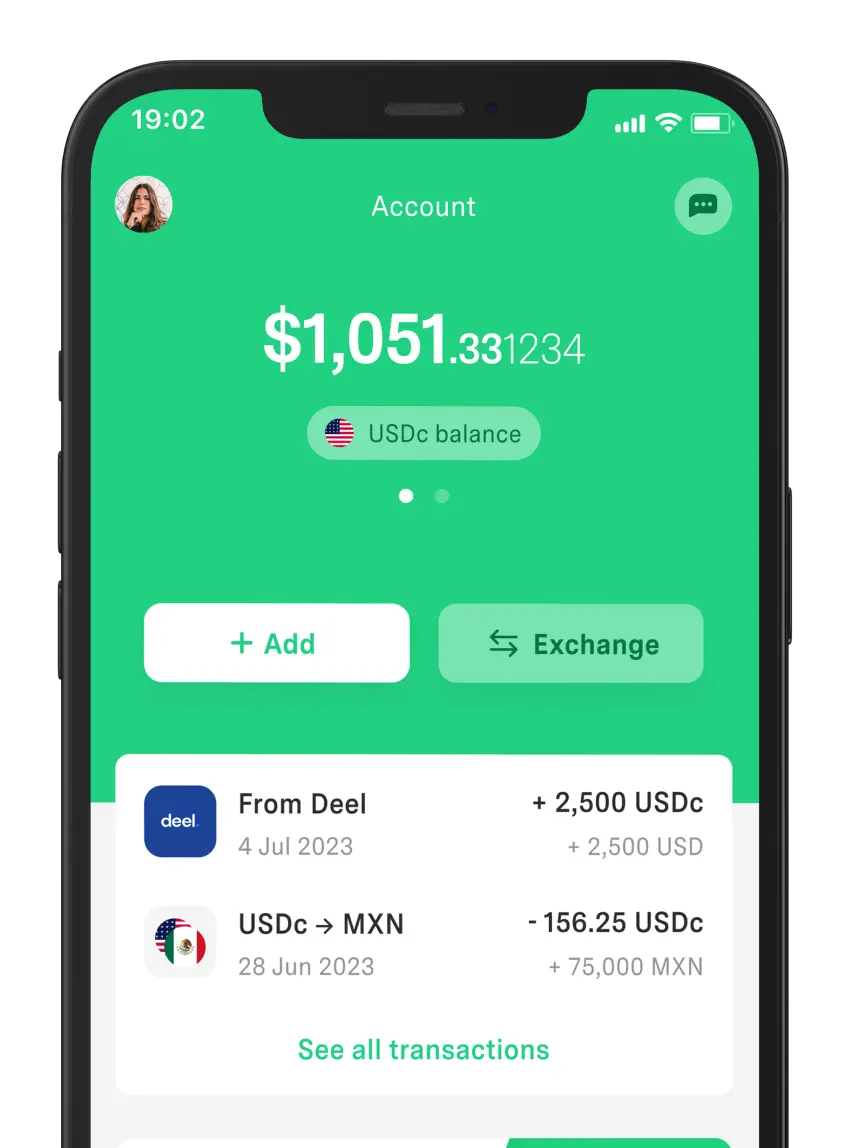
And if smart money management is part of the plan, try solutions like DolarApp. You can move between countries with digital dollars or euros using a fair exchange rate for conversions.
Plus, with DolarCard, the international card, you don’t have to worry about payments abroad. Use your USDc or EURc balance and save while traveling by avoiding high currency conversion fees.
Yes—it can be very helpful to save time, organize complex itineraries, or get inspired. But it’s best to verify important details on the relevant sites, such as flights, schedules, or entry requirements for your destination.
Some offer a free version with basic features. Paid options usually include more personalization, integrations, and itinerary export, so compare what each plan provides.
Ideally, build the plan with AI and research documentation, flight prices, lodging, and activities on your own. For complex, high-budget, or highly customized trips, a travel agency may be worth it.
They work well as a draft, but you shouldn’t rely on them entirely—AI can be wrong or outdated. Verify key data with official sources before traveling.
No. While AI automates searches and comparisons, human judgment remains crucial in travel—especially for expertise, personalized advice, and the ability to react to last-minute changes.
Sources:

Los países tienen fronteras. Tus finanzas, ya no.
Work and Travel What can you take in your carry-on when you fly? Here we explain standard sizes, rules, and permitted items.
 Work and Travel
 Find out the requirements for traveling to Europe in 2026 from Mexico, in addition to your passport and other documents.
 Work and Travel
 Not sure what to do in New York? Here’s a list of must-see places based on your interests, free options, and some tips.