A company blog is a space with content that attracts traffic, educates, and turns visits into sales opportunities. And although video and audio formats have grown in popularity, blogging remains a powerful tool to capture clients and strengthen your brand. If you work with strategy and consistency, it can become an asset that compounds results over time.
That’s why this guide covers the main benefits of a blog and how to get started so your content works in favor of your company. We’ll also make a brief comparison between blogs and vlogs so you can choose the format that best fits your goals and resources.
Blogs are important for businesses because they let you manage your visibility, connect with your audience, and build trust without relying entirely on paid ads.
In practice, a business blog works as:
An owned channel, where the company controls its message and content.
A source of organic visibility, drawing traffic from search engines.
A long-term asset, capable of generating results over time.
For these reasons, the blog remains a key piece of any content marketing strategy.
Main Benefits of Blogs for Businesses
Content marketing is a key tool for building an audience and growing sustainably. And while formats like audio, video, or interactive content exist today, the blog is still the hub where all that content lives.
So, if you’re weighing why to have a company blog, here are 8 main benefits:
Improve SEO and organic rankings.
Attract qualified traffic.
Build trust and brand authority.
Help capture leads and potential customers.
Feed other marketing channels.
Educate customers and reduce sales friction.
Support long-term positioning.
Lower cost compared to ads.
1. Improve SEO and Organic Rankings
A blog expands your chances of appearing on Google by letting you rank for more keywords and attract links from other sites. When the content is well crafted, search engines recognize it as a relevant source.
In addition, the strategic use of keywords and backlinks (inbound links) reinforces site authority and improves rankings sustainably—something crucial considering most online content earns no external links.
2. Attract Qualified Traffic
A focused blog attracts people already searching for information, solutions, or answers related to what your business offers.
These visitors arrive with higher intent, engage more with the content, and are more likely to convert into leads or customers.
3. Build Trust and Brand Authority
Through clear, well-crafted content, you demonstrate expertise and knowledge. This conveys credibility, positioning your business as a reference in its sector.
In fact, a HubSpot report notes that business blogging is used primarily to build awareness and engage better with customers.
4. Help Capture Leads and Potential Customers
Beyond informing, blog content can guide readers where you want them to go. With well-placed CTAs (downloads, newsletter, demo, contact), each article becomes an entry point for generating commercial opportunities.
5. Feed Other Marketing Channels
A single article can serve as the basis for multiple formats, broadening its reach and
reinforcing your overall marketing strategy.That is, blog content can be repurposed for social media, newsletters, and sales materials. This helps keep messaging consistent and maximizes each piece.
6. Educate Customers and Reduce Sales Friction
One of the main benefits of content marketing is preparing customers before the purchase. Through the blog, your business can explain processes, address objections, and clarify key doubts.
“How-to” guides, comparisons, and FAQs shorten the sales cycle because customers arrive with more clarity and confidence.
7. Support Long-Term Positioning (Evergreen)
Evergreen content doesn’t expire quickly. That’s why it can keep ranking and attracting visits for months or even years—unlike a campaign that stops when the budget is cut.
That compounding effect is part of blogging’s value: publish today to reap results later.
8. Lower Cost Compared to Ads (and Accumulative ROI)
Unlike paid advertising, a blog functions as an asset. It’s not free—because it requires strategy, writing, and maintenance—but the return accumulates.
In other words, the effort of investing once in a high-quality article translates into sustained benefits over time.
Blogs or Vlogs? Differences and When to Use Each
Within a content marketing strategy, both blogs and vlogs let you share information, educate your audience, and generate visibility. The difference lies in the format, so choosing between blogs and vlogs depends on your goal and the resources you have:
Blogs (written content):
Favor search engine rankings.
Allow greater depth and analysis.
Are usually more economical to produce.
Are easy to update and keep current.
Vlogs (video content):
Appeal more to the visual and emotional.
Often generate higher interaction on social platforms.
Require greater production and resources.
For most companies, blogs are the foundation of SEO and organic lead generation, while vlogs work best as a complementary channel to amplify reach and engagement.
So, when to use each?
Blog: best for attracting organic traffic and explaining complex topics.
Vlog: ideal for rapid reach and visually connecting with the audience.
Orbit Media suggests that enhancing articles with elements like video or audio correlates with better results. Therefore, you can combine them for greater reach: the blog to sustain ranking and the vlog to amplify distribution.
How to Start a Company Blog: Basic Steps
A blog is more than writing and publishing—you need clarity about whom you’re speaking to and what goal your content serves. With that foundation, you can get started by following these steps:
Research keywords. Find what your audience searches for and which terms you can realistically target. Fortunately, AI tools make this process easier and help identify content opportunities for blogs or vlogs.
Define your strategy and topics. Choose objectives (visibility, leads, education) and define categories aligned to your business. Graphic organizers can help structure ideas and prioritize content.
Create an editorial calendar.Build a schedule to plan frequency and maintain rhythm and consistency.
Optimize content for SEO. Each article should be well structured, with clear headings, internal links, and easy readability. This increases your chances of ranking and organic visibility.
Promote via social and newsletter. Remember one blog benefit is that it also fuels other channels. Repurpose content into creative presentations, visual summaries, or pieces adapted to social or other channels.
Measure with analytics (traffic, leads, conversions). Review what works and adjust topics, formats, and CTAs. Here, flowchart tools help you understand the user journey and optimize content funnels.
Following these steps helps your blog stop being an experiment and become a strategic asset within content marketing.
Examples of Content That Works Well on a Company Blog
In general, the best-performing content answers real questions, helps with decisions, or provides useful context at the right time. Therefore, among company blogging examples, we can highlight:
Practical how-to guides. Step-by-step content that helps the audience solve a specific problem.
Comparisons. Help evaluate alternatives and often attract high-intent searches.
Case studies. Present results, processes, and lessons with real examples.
Expert opinions. Add perspective, credibility, and a clear stance on a topic.
Industry trending topics. Leverage current themes to gain visibility and rank quickly.
Although not every format performs equally, these cover different stages of the decision process and keep the blog active, relevant, and aligned with your audience’s real interests.
Conclusion
Blogs remain a key tool for companies because they combine visibility, trust-building, and long-term results. Through content marketing, they attract qualified traffic, educate the audience, and support decision-making at every stage of the process.
In short, a well-managed blog becomes a profitable asset that grows over time and reinforces the entire strategy. At the same time, DolarApp helps you build day-to-day financial stability.
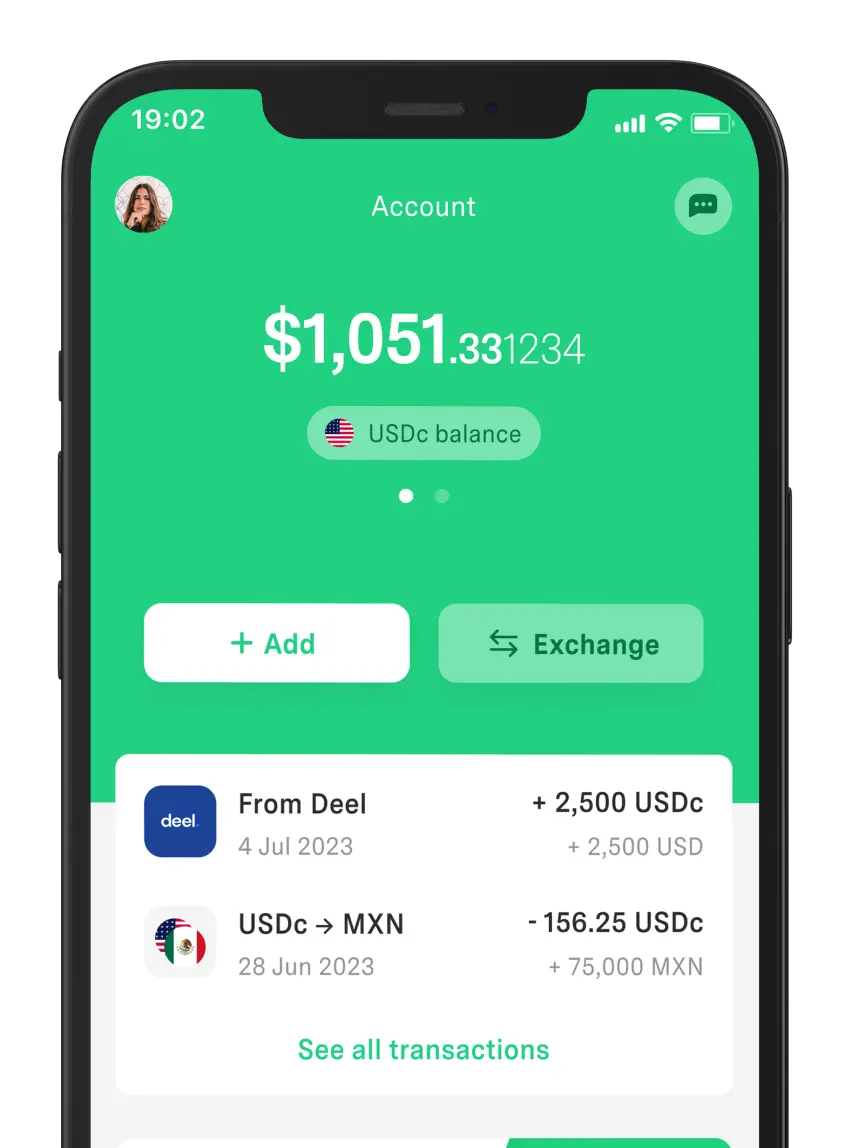
With DolarApp you can manage your business income in USDc and EURC if you work with international clients. We offer a competitive rate for buying/selling digital dollars and euros, and you can do it in just a few clicks.
Frequently Asked Questions
Why is a company blog important?
A company blog is important because it boosts your brand’s organic visibility and strengthens credibility with your audience. If the content is useful and well targeted, it consistently attracts qualified traffic.
How long does it take to see results?
You’ll often see early movement within weeks, especially in traffic. Solid ranking results arrive over months and depend on consistency, content quality, and competition.
Blog or vlog: which is better?
The blog excels at SEO and content depth, while the vlog excels at reach and visual connection. Using them together is usually the most effective strategy.
Can a blog increase sales?
Yes. A blog educates users, reduces objections, and supports their decision process. This builds trust and facilitates concrete actions like subscribing, requesting information, or completing a purchase.


 Freelancer tips