Traveling the world may seem out of reach for many people, especially due to financial concerns. But the truth is that you can create a feasible plan if you take into account your goals and travel style.
And it’s not just about saving money—it’s also about knowing which places offer more for less and how to organize your transportation.
So, stick around and discover some practical tips, recommended destinations, and an estimated cost based on the type of trip you choose.
How to travel the world: Tips for doing it cheaply and safely
Traveling the world while taking care of your budget and safety requires a bit of planning and smart choices.
Here are some practical tips to help you do it:
Choose places where your money goes further
If you know where to look, you’ll find affordable places to travel in 2025 that can surprise you with unforgettable experiences. The best part? They’re everywhere: Asia, South America, and Eastern Europe—for example, Peru, Thailand, and Albania.
Not all destinations cost the same.
Look for cheap flights and plan efficient routes
Airfare tends to be one of the biggest expenses. But you can explore different low-cost options through sites like Skyscanner or Google Flights. If you plan ahead, you’ll likely find great prices.
It’s also worth keeping an eye on events like Hot Travel. During these times, you’ll get exclusive discounts on flights, accommodations, and more.
Choose comfortable, but affordable accommodations
Staying in five-star hotels to feel comfortable isn’t always necessary. There are hostels with basic services that may be more than enough. You can also browse platforms like Airbnb or Vrbo to see other alternatives.
Don’t overspend on food
Avoid choosing expensive places to eat. Instead, go for street food and local markets. They’re excellent ways to experience the cuisine of a destination while spending much less.
Every now and then, if your lodging allows it, consider cooking your own meals.
Travel light and avoid unnecessary fees
Every time you look for travel tips you've come across this one? The less luggage you carry, the less you will pay for excess weight or extra luggage. Plus, getting around will be easier and faster.
Get around like the locals do
If you’re visiting a new place, why not take public transportation?
It’s cheaper, usually safe, and lets you experience the daily rhythm of the city. You might even consider walking short distances to save money and discover new things along the way.
This also applies to travel between nearby countries. Taking trains or buses helps reduce flight expenses. And if you stay longer in each place, you’ll get to know it in-depth—no rush, no pricey transfers.
How to Travel the World: 2 Ways to Do It “Almost” for Free
Would you like to explore the world, experience new cultures, and live unforgettable moments—but feel your budget is holding you back? We have good news: there are two ways to do it without spending a fortune—volunteering and becoming a digital nomad. Let us explain.
Travelling the world through volunteering
International volunteering is an accessible way to see the world. It’s based on an exchange: you offer a few hours of your time helping with specific tasks, and in return, you receive accommodation and often food. This significantly reduces your travel costs and allows you to authentically immerse yourself in local life.
There are many types of opportunities tailored to different profiles. You could help at a hostel front desk, teach languages, support social causes, or work with NGOs. Other tasks may involve caring for animals, learning about organic farming, or even sharing your specific knowledge.
Note: You’ll need to cover your flight costs, so it’s a good idea to search for cheap flights to Europe or whichever destination you’re headed for volunteering.
Travelling while working: the digital nomad lifestyle
If you want to travel the world without stopping your income flow, becoming a digital nomad is an ideal option. This lifestyle allows you to work remotely while moving from place to place. All you need is a laptop and internet connection to stay productive from anywhere.
It could be a beachside café, a coworking space in a charming European city, or a cabin in the mountains.
Many careers are compatible with this lifestyle, especially freelance jobs like writing, graphic design, programming, marketing consulting, or content creation. Thanks to digital platforms like Fiverr and Upwork, it’s easier than ever to find clients or projects that let you earn money without being tied to one place.
Being a digital nomad means more than changing countries—it means changing your way of life. In the end, it’s not just about working while travelling, but about living on your own terms.
Everything sounds great… But how much does it cost to travel the world?
Before setting out to explore the world, it’s ideal to know how much you can spend on your adventure. To do that, you need to consider several factors that will help you make better decisions throughout the trip, including:
Travel style.
Specific destinations.
Time of year.
Domestic or regional flights.
Accommodation.
Food.
Local transportation.
Activities and entrance fees.
Some countries also require a visa, which would be an additional mandatory cost. Just like if you get travel insurance or need to buy local SIM cards.
To give you an idea, below are some estimates for some of the most popular destinations in the world.
How much money do I need to go to Europe for 15 days in 2025?
It can be affordable or expensive depending on your choices. Eastern Europe and the Balkans, for example, offer great value for money.
To determine how much a trip to Europe might cost, we compared 2 travel styles in a 15-day itinerary as an example:
Estimated Budget for Europe (15 days per person):
Category
Budget Option (€) (Budapest, Krakow, Sofia)
Comfort Option (€) (Lisbon, Prague, Ljubljana)
Accommodation
€15–20/night in hostels or shared dorms → €225–300
€80–120/night in 3–4-star hotels → €1,200–1,800
Food
€12–15/day in markets, bakeries, or self-catering → €180–225
€40–60/day in mid-range or tourist restaurants → €600–900
Local transport
€5–10/day using buses, metro, or walking → €75–150
€15–25/day in fast trains, taxis, or private transfers → €225–375
Domestic flights
€100–200 on low-cost airlines (Ryanair, Wizz Air) or intercity buses
€300–500 on regular flights or more comfortable interregional trains
Activities/Entrance fees
€5–10/day in free museums, walking tours, or budget-friendly attractions → €75–150
€20–35/day in popular tourist site entrances → €300–525
Travel insurance
Basic coverage → €30–50
Full coverage → €80–120
Other expenses
€5/day for snacks, souvenirs, or laundry → €75
€15–20/day for shopping, coffee, extras → €225–300
Estimated Total
€860–1,250
€2,930–4,520
How much do I need to visit Southeast Asia for 15 days in 2025?
In general, the budget is lower than what you’d need for Europe.
Estimated budget for Southeast Asia (15 days per person):
Category
Budget Option (€) (Vietnam, Cambodia, Laos)
High-End Option (€) (Thailand, Malaysia, Singapore)
Flights to destinations like Bali or Singapore → €300–500
Activities/Excursions
€5–10/day (temples, hiking) → €75–150
€15–50/day (organized tours, diving) → €225–750
Visas
Between €19–32 (depending on the country)
€0–32 (Malaysia and Thailand are free; Singapore may require one)
Travel insurance
Basic coverage → €30–50
Full coverage → €80–120
Other expenses
€3–5/day (souvenirs, SIM, laundry) → €45–75
€10–15/day (extras) → €150–225
Estimated Total
€479–852
€1,730–3,502
Important: Prices are an estimated average based on the experiences of different travellers. Furthermore, they do not include international flights, only expenses at the destination, as this depends on where you are when you embark on your adventure.
Final Thoughts
To travel the world in 2025, you don’t need to be a millionaire, but you do need to make smart decisions. There are plenty of destinations that may not be the most famous but still offer unforgettable experiences.
The key is to set a realistic financial plan from the start, choose wisely, plan ahead, and keep an open mind. There are countless places ready to welcome you with open arms—without draining your wallet.
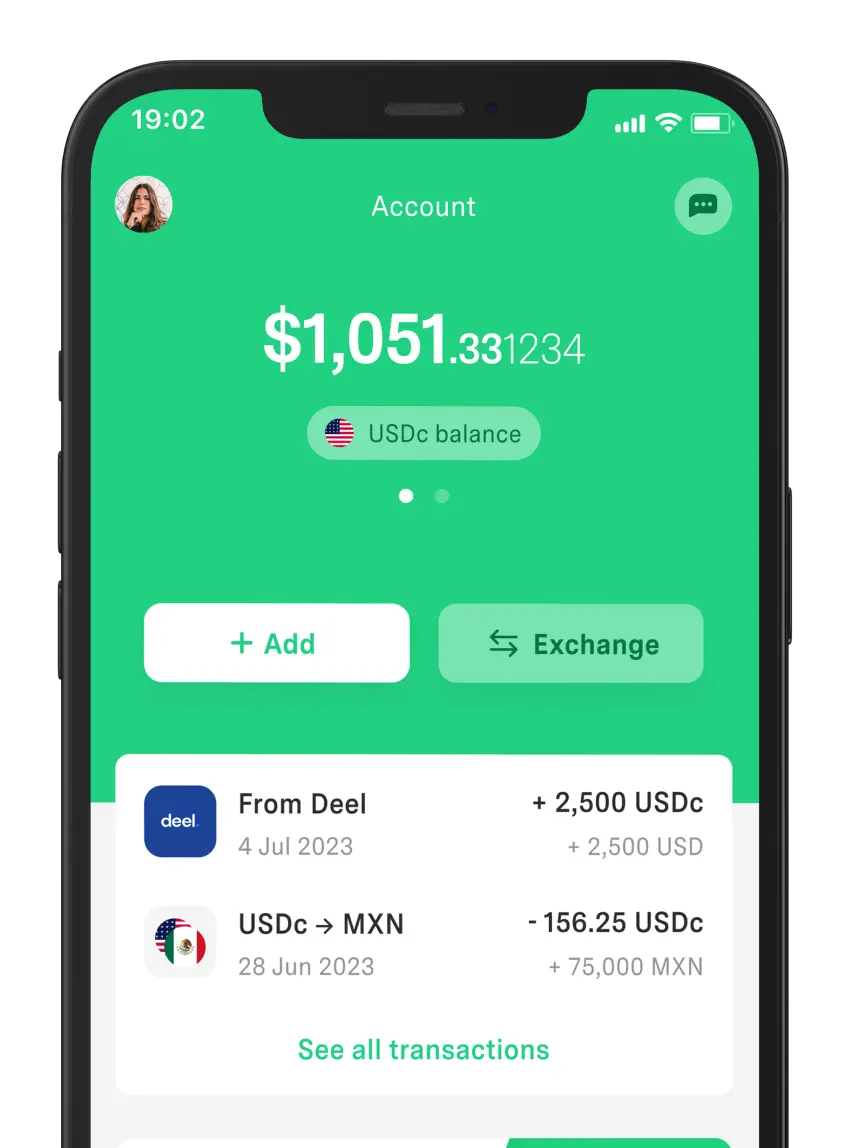
We recommend that wherever you go, bring an international card to help you save while traveling. With DolarCard, coverage is global, and it operates with digital dollars and euros. This means you can pay without worrying about extra charges from currency conversion.
Order yours from DolarApp and activate it to use it anywhere Mastercard is accepted.
Descubra um mundo sem fronteiras.
Os países têm fronteiras. Suas finanças, não mais.


 Trabalho e viagem