Self-discipline is what allows you to keep moving forward even when you’re tired, distracted, or unmotivated. Thanks to it, you can stick with what you start and stay committed to what matters to you, because it doesn’t depend on impulses or inspiration.
Unlike motivation, which tends to fade quickly, self-discipline keeps you on course when things stop being easy. That’s why it’s such a valuable skill for giving continuity to your habits, projects, and any goal that requires consistency.
Hence our topic today, where we explain what self-discipline means, the benefits it brings, and the steps you should follow to develop it starting today.
Self-Discipline: What It Is and How to Develop It Step by Step
What Is Self-Discipline and What Does It Mean?
Self-discipline is the ability to regulate your actions and decisions so you stay true to your goals—even when you don’t feel like it. It’s that internal system that lets you move forward consistently despite the resistance or distractions that may appear.
It’s also one of the key soft skills in personal and professional development. It improves productivity, increases consistency, and strengthens your ability to overcome obstacles without abandoning the process.
So, self-discipline means making decisions that favor your long-term objectives. That means postponing immediate gratification and sustaining routines that give structure to your day-to-day life.
Why Is Self-Discipline Essential in Your Life and Work?
Self-discipline directly influences how you organize yourself, how you make decisions, and how you progress toward what you want to achieve.
Therefore, it’s essential for several reasons:
It’s the foundation for long-term goals. It lets you maintain your pace in studies, health, finances, or personal projects—even in those moments when motivation plummets.
It sustains your personal productivity. It helps you prioritize what matters, reduce procrastination, and protect deep-work blocks—especially in distraction-heavy environments.
It strengthens emotional regulation. It gives you the tools to manage impulses, tolerate frustration, and keep going.
Autonomy and confidence. Following through on what you set out to do reinforces your sense of control over your life and boosts your confidence to take on new challenges.
Professional development. It drives consistency, responsibility, and the ability to deliver results steadily.
When you’re disciplined, everything flows with more order and stability; when you’re not, even well-planned projects stall.
Traits and Behaviors of a Self-Disciplined Person
When you’re disciplined, you can see it in certain habits and recurring behaviors in your daily life. It’s not just about willpower—it’s about how you organize yourself, make decisions, and honor your commitments.
In general, a self-disciplined person repeats the following patterns:
Keeps promises to themselves without needing someone to supervise their progress. If they decide to do something, they find a way to make it happen.
Manages time with greater clarity. They plan, organize tasks, and avoid filling the day only with urgencies or distractions.
Thinks long-term. Before deciding, they ask how it may affect their future goals.
Tolerates discomfort. Waking up early, studying, training, or saving isn’t always pleasant, but a disciplined person understands effort is part of the process.
Knows how to say “no,” including setting limits on social media, last-minute plans, or temptations that drain energy when something important is at hand.
Recovers quickly from setbacks. If they break a routine or skip a habit one day, they don’t use it as an excuse to throw everything away. Instead, they adjust, learn, and get back on plan.
Overall, self-discipline is a common trait among people who are reliable, consistent, and capable of taking a project from idea to final delivery.
Everyday Examples of Self-Discipline
Self-discipline shows up in small, repeated decisions.
Here are a few simple examples:
Getting up early—not just because the alarm rings, but because you have a purpose: study, train, or work so your day goes further.
Sticking to the plan you defined for studying or working, even though it would be easier to leave it for later.
Sticking to a monthly budget, reviewing expenses, and avoiding impulse purchases.
Following your exercise or nutrition routine even when you feel like resting or grabbing something quick.
If you’re self-employed, it’s reflected in how you meet deadlines, manage priorities, and sustain your work rhythm. For example, reserving dedicated time for important projects—even when notifications or social media try to pull you away.
That consistency can be the difference between standing out as a successful freelancer or missing opportunities.
Benefits of Self-Discipline
This skill has visible effects on nearly every area of your life. Its benefits are noticeable in both your performance and your day-to-day well-being:
Fewer ups and downs, more progress. Discipline smooths out mood swings and prevents your projects from stalling when motivation dips.
Boosts your career development. It helps you learn new skills, meet deadlines, and handle greater responsibilities without chaos. That stability improves your professional reputation and opens doors to more clients and higher earnings as a freelancer.
Greater self-confidence. Each time you act in line with your intentions, your confidence grows naturally.
Better health and well-being. When you consistently maintain healthy practices, your body and mind notice: you sleep better, focus more, and your mood stabilizes.
Some of these effects are backed by evidence.
For example, a study published on ResearchGate links self-discipline with greater well-being, along with higher levels of self-esteem and financial satisfaction.
Another study shows that self-discipline predicts academic performance better than IQ.
So, developing self-discipline has a real, measurable impact on your progress.
How to Develop Self-Discipline (Step by Step)
If you feel you’re not a very disciplined person, that’s okay. This skill can be strengthened with small actions and lots of repetition.
The following steps will help you make it applicable to your routine:
Clarify your goals and priorities. Choose a concrete goal and write down why you want it so you can stay focused when doubt or fatigue shows up.
Turn your goal into small actions. Instead of “I want to get in shape” or “I want to learn topic X,” define minimum actions that are easy to repeat. For example, “train for 10 minutes,” “study for 15 minutes,” or practice memorization to remember better.
Prepare an environment that makes progress easier. Keep what you need visible, minimize distractions, and organize your workspace using techniques like Pomodoro. That way your discipline relies less on mental effort and more on a system that supports you.
Design a routine you can repeat. Set your own daily routine with moments to work, learn, move, or rest.
Lean on reminders and systems. Use lists, alarms, visible notes, digital tools, and you can even do a brief self-assessment at the end of the day. The idea is to have a system that reminds you of what you decided to do.
Accept slip-ups and resume. Not every day will be perfect, but that doesn’t mean you lack discipline. Just analyze what happened, adjust as needed, and get back on track as soon as possible.
Protect your energy to stay consistent. Your physical and mental well-being is part of this training. It’s very hard to sustain self-discipline if you sleep poorly, eat badly, or never rest.
If you start with a single small habit and maintain it, you’re already taking the most important step. Over time, you’ll see your results change—and also how you relate to your goals.
Self-Discipline vs. Willpower and Motivation
Do you know why you sometimes move forward easily and why it’s so hard at other times?
Understanding the differences among these three concepts will help:
Motivation. The initial spark that gets you started. It may come from an idea, an emotion, or a moment of inspiration, but it fluctuates a lot.
Willpower. The ability to resist immediate temptations and make a tough decision in a specific moment. It works well short-term, but it depletes quickly.
Self-discipline. The set of habits, schedules, and repeated decisions that keep you moving. It doesn’t depend on how you feel today, but on the structure you build to progress long-term.
In short:
Motivation gets you started.
Willpower helps you through tough moments.
Self-discipline is what gets you to the finish line.
These are the key points to tell them apart.
Conclusion
Self-discipline is what separates wanting something from making it possible. You could say it’s the element that supports any personal or professional growth process. And far from being a quality reserved for a few, anyone can develop it with daily practice, supportive environments, and a solid structure.
Every time you choose to act in line with your goals, this skill grows. Even if you’re not very motivated, it helps you maintain habits, decisions, and projects in motion with greater stability.
Self-discipline also shows in how you manage your time and money. But with reliable apps like DolarApp, you don’t have to worry about your finances.
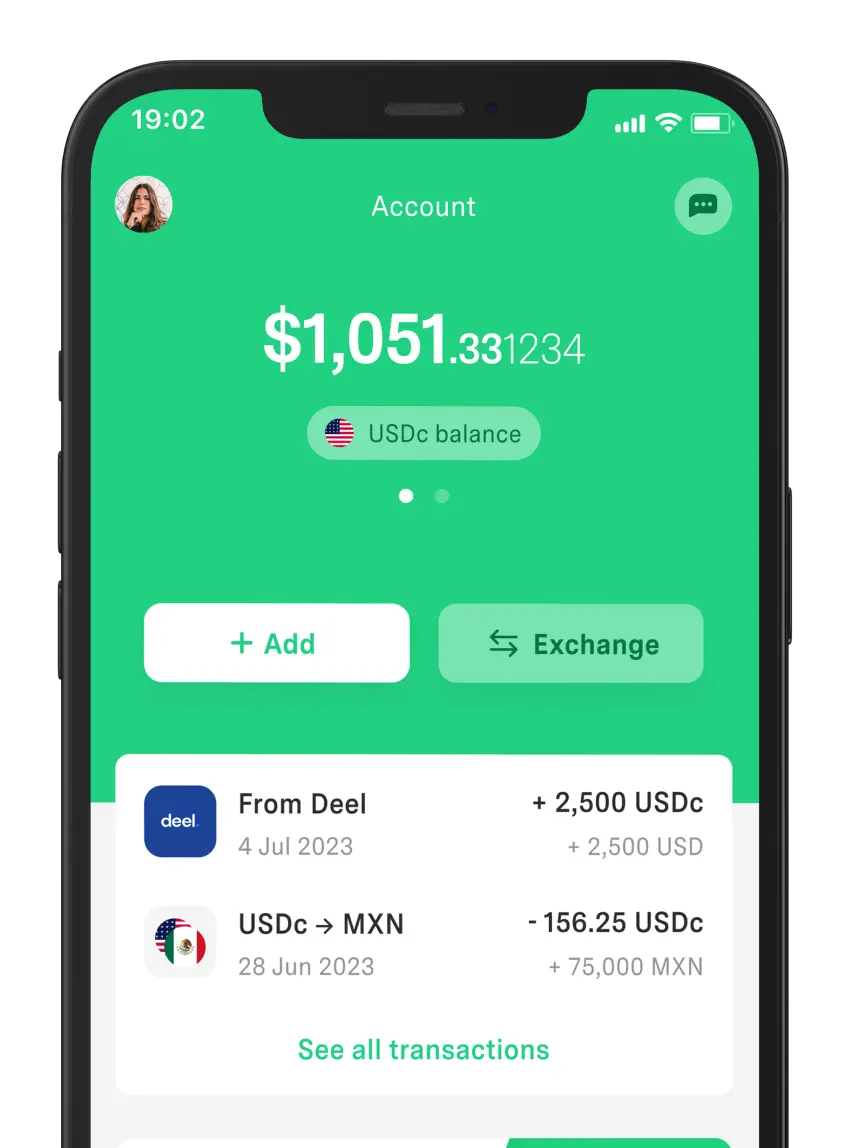
Download the app and activate your digital account to handle your transactions in USDc and EURc. This includes buying and selling digital dollars and euros at a fair exchange rate.
Frequently Asked Questions
What is self-discipline in simple words?
It’s the ability to stay on the course you chose—even when you don’t feel like it or distractions pop up. It helps you maintain habits and commitments over time without relying on your mood that day.
Is self-discipline innate or learned?
It’s built day by day and strengthened gradually. With small habits, an environment that supports you, and the decision to return to the plan each time you drift.
How do I start if I have very little self-discipline?
Start with something minimal: five minutes of study, ten minutes of movement, or one simple task a day. What matters is repeating it until it becomes part of your daily routine.
Why do I lose self-discipline after a few weeks?
It may be because your goals are too big, your environment is full of distractions, or you don’t have set schedules. Adjusting the size of the habit and creating routines will help you sustain consistency.


 Freelancer tips