Customer trust is one of the most important elements for generating business opportunities. This is because when a customer trusts your brand, they’re more likely to keep buying your products or services.
That loyalty can even turn consumers into brand ambassadors who recommend you to friends and acquaintances. As a result, your sales improve.
But despite the importance of the customer relationship, very few brands manage to earn their consumers’ trust. Nevertheless, 87% of business leaders claim to have their customers’ trust—something that doesn’t align with PWC’s data.
According to that firm’s figures, only 3 out of 10 users say they have full confidence in the brands they buy from.
That’s why today we want to explain what customer trust is, why it matters, and share some examples to help you learn how to build it.
Customer trust: What is it and why is it important?
What is customer trust?
Customer trust is the positive perception a consumer has of a brand, considering it honest, reliable, and consistent. If you earn it, you can expect a fruitful relationship with users: recommendations, repeat orders, and brand credibility.
However, if you lose it, regaining it will be much harder. That’s why it’s very important to protect the customer experience throughout your sales processes. In fact, according to Zendesk data, 50% of consumers choose another brand after a single negative experience with yours.
For this reason, earning consumer trust is key. You must work to foster a strong relationship where the customer feels satisfied and safe—enough to develop brand loyalty.
Why is it important to earn customer trust?
According to the Edelman Trust Barometer Special Report 2023, trust is the third most important factor when making a purchase decision. 71% of respondents said they are more likely to buy products from a brand they trust. In other words, trust improves the conversion of potential customers.
But that’s not all—consumer trust is also important because:
It increases loyalty. Trust drives repeat purchases, raising a customer’s value and improving your company’s return on investment.
It reduces friction in the purchase. When you earn consumer trust, it’s easier for them to buy your products—meaning the customer journey accelerates.
It boosts word of mouth. A loyal customer goes beyond purchasing your products or services; they get involved to the point of actively recommending your brand.
It improves the long-term relationship. According to Edelman, 59% of users would buy newly launched or more expensive products from a brand they trust.
It impacts your revenue and growth. 87% of customers are willing to pay more for products from companies they trust. Combined with purchase frequency, this directly improves your revenue.
And if you’re wondering how to achieve all this—and how to build a consumer’s trust—we’ll share a few strategies below.
How to build customer trust
Earning customer trust is key for your business, and to do it, you should work on these core points:
Offer transparent prices and terms. Show clear prices with no hidden fees, and explain service terms simply across all sales channels. Customers value knowing exactly what they’re paying, what’s included, and any limitations from the start.
Communicate clearly. Keep customers informed at every stage of the process to avoid misunderstandings. Direct communication—without unnecessary jargon—reinforces professionalism and improves the customer’s understanding of your policies, services, products, and procedures.
Keep your promises. It’s important to deliver what you promise, on time and as agreed, to cement long-term trust. The expectations you set in sales must match the customer’s real experience. Any inconsistency directly affects brand credibility.
Provide excellent customer support. Resolving consumers’ questions or problems is one of the pillars of earning their trust. It also improves the customer experience and makes your brand appear more reliable. As a result, the customer-brand relationship will improve.
Ensure data protection and security. If your brand sells online, this is critical. You need to guarantee the security of personal and financial information—and communicate it. This reduces friction in registration, purchase, or contracting processes.
Show positive reviews from other customers. According to figures compiled by LocaliQ, 72% of people trust a brand more when it has positive reviews. That’s why it’s important to encourage consumers to leave feedback about your products or services.
Customer trust examples
Take inspiration from the following brands that have earned consumer trust:
Zappos. Earns customer trust by responding quickly and solving problems. Customers report that the company answers calls within seconds, offers 24/7 support, and generally resolves issues in a single interaction.
Apple. Many trust this brand because of its strong protection of personal and financial data. Customers can decide what data they share and with whom; communications are end-to-end encrypted. The company also doesn’t sell data to third parties.
Patagonia. Strengthens customer relationships by meeting deadlines and offering guarantees. The standout is its lifetime “Ironclad Guarantee,” replacing or repairing defective products with no questions asked. It also consistently meets delivery times and resolves issues efficiently.
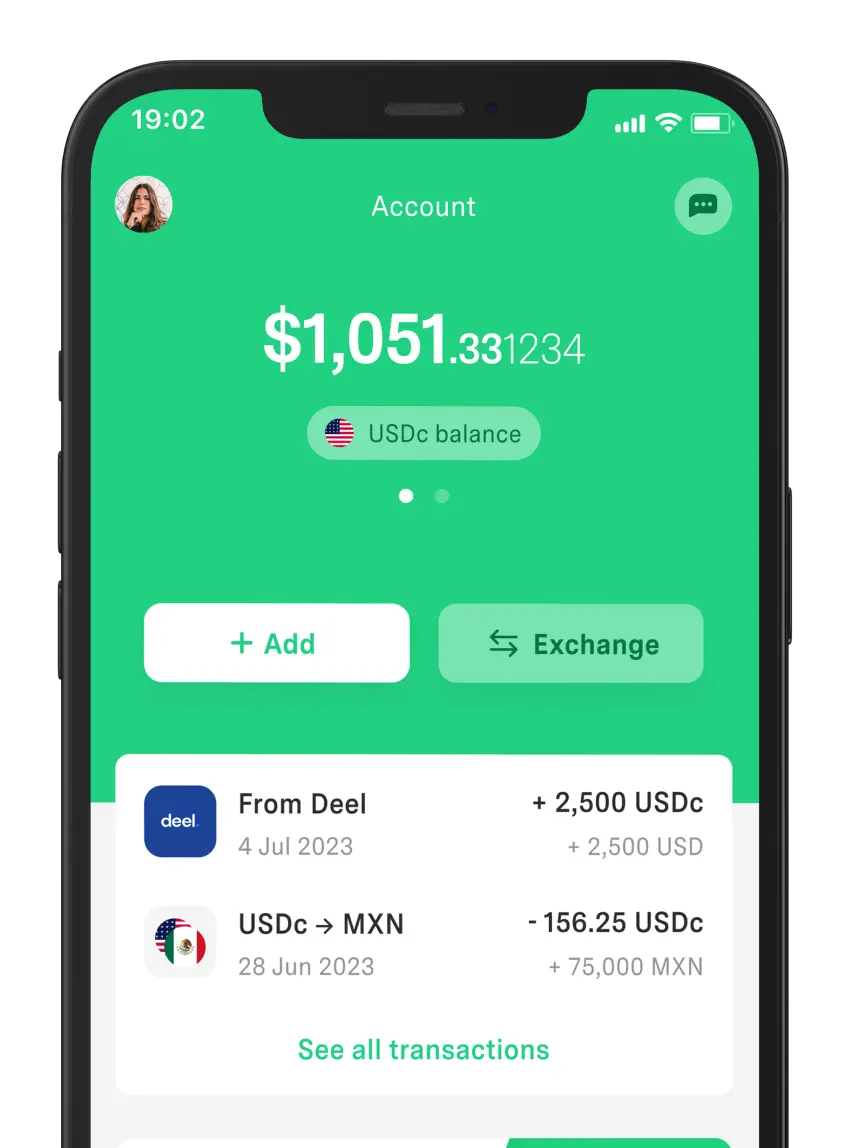
DolarApp. In our case, we build brand credibility by being very clear about service costs and fees. We don’t charge hidden conversion fees and offer real exchange rates without inflated margins.
Tesla. The brand earns trust by acknowledging mistakes and fixing them. The company has publicly admitted faults—like software glitches in cars—and quickly corrects them via over-the-air updates.
Use these examples to identify your own strengths—customer support, a strong warranty, meeting deadlines, etc.—and find the best way to build customer loyalty. We also recommend using the AIDA method and similar frameworks in your messaging to communicate strengths clearly and improve conversion.
Factors that influence customer trust
Customer trust is built from multiple, mutually reinforcing signals. By understanding these factors, you can optimize the experience and improve your brand perception over the long term.
Past experience. A positive experience increases the likelihood of repeat purchases and recommendations. Consumer behavior studies show that satisfied customers are up to 60% more likely to buy again.
Reviews and ratings. More than 80% of users read reviews before making a decision. Other customers’ opinions reduce uncertainty and serve as social proof—one of the most powerful elements in persuasion.
Service consistency. Maintaining the same quality in every interaction creates predictability—a key element for trust and repeat business.
Product quality. A product that delivers on its promise reinforces credibility and reduces claims, strengthening brand trust.
Brand image and values. Brands with clear, consistent values connect better with customers and build longer-lasting relationships. This is especially important for Gen Z, as the 2023 Edelman report shows.
If you align these factors, you’ll start building trust among your customers—achieving repeat sales and referrals. You can also use tools like RFM to identify high-value customers with whom you want to deepen trust and loyalty.
Common mistakes that damage customer trust
Companies that fail to build customer loyalty often make some of the following mistakes:
Lack of transparency. If you don’t clearly explain your terms—or your messages are unclear—you create user distrust.
Slow or absent support. Not responding quickly to questions or complaints signals disinterest. This creates frustration and pushes customers to look elsewhere.
Unexpected price changes. These cause customer dissatisfaction, as they feel they can’t anticipate costs, creating a sense of instability and distrust.
Broken promises. Failing to deliver a benefit, meet a delivery time, or achieve results weakens the customer relationship.
Poor handling of personal data. Mishandling customer data creates insecurity, which can lead to permanent churn.
Avoiding these mistakes is vital because—as you’ve noticed—they mirror the actions needed to earn trust. Do it well and you gain loyalty; do it poorly and you’ll lose current and future customers.
How to measure customer trust
Measuring customer trust helps identify strengths, spot risks, and make decisions based on real data. Don’t rely solely on your perception—use concrete indicators. Otherwise, you won’t know for sure whether you’re doing well.
One of the best indicators is satisfaction surveys. These help you understand the customer’s overall experience after a purchase or interaction. Clear questions about expectations, clarity of information, and level of trust will give you concrete insights into potential friction points.
You can also use NPS (Net Promoter Score) to measure user satisfaction. This is one of the most widely used indicators for assessing loyalty and trust. A high score suggests the customer is not only satisfied but willing to recommend the brand; a low score indicates the customer doesn’t trust your brand and you may lose them.
Other ways to measure trust are direct feedback and online reputation (reviews and ratings).
You can collect direct feedback via email, social media, or face-to-face with customers. Reviews and ratings, meanwhile, serve as a public trust thermometer because any customer can rate their experience with your company.
In short, you can measure customer trust by:
running satisfaction surveys,
using Net Promoter Score (NPS),
analyzing direct customer feedback,
and reviewing your online reputation (reviews and ratings).
Finally, repeat purchases clearly indicate whether the customer trusts you enough to return.
Conclusion
Customer trust is the foundation on which strong, sustainable relationships are built. When a company acts with consistency, transparency, and commitment, it not only generates sales—it also earns loyalty and referrals. Consequently, it will see sustained growth over time.
In finance, this principle is even more relevant. Just as trust is earned through clear information and consistent processes, at DolarApp we aim to offer you control, security, and transparency in every transaction.
You can receive international payments in USDc or EURc and access a fair exchange rate. Plus, regardless of the amount you receive, our fee is 3 USDc.
Frequently Asked Questions
What is customer trust?
Customer trust is the perception of credibility, reliability, and safety a person feels toward a company or brand. This fosters loyalty, leading to repeat purchases and referrals.
Why is customer trust important?
It’s important because it reduces uncertainty, strengthens loyalty, and improves brand reputation. Also, when you have consumer trust, they’re more likely to buy repeatedly and recommend your products or services to friends.
How is customer trust built?
Through transparency, clear communication, keeping promises, efficient support, security, and delivering positive experiences. These elements show customers you care not just about selling, but about meeting their needs holistically.
What are examples of customer trust?
Frequent repeat purchases, referrals, positive reviews, willingness to try new products from the brand, and readiness to share personal data. Customers who do this have strong trust in your brand.
How does trust affect sales?
Trust directly influences sales by reducing objections, accelerating purchase decisions, increasing long-term customer value, and improving conversion rates. In short, it’s key to any brand or company’s success.


 Freelancer tips