Do you feel like your money disappears and you don’t know why? That may be because you don’t know what personal finance are or how to use them to your advantage—especially if you never received formal financial education, which is the case for most people.
In essence, personal finance are the set of daily and long-term decisions you make about income, expenses, saving, investment, and debt. Learning to manage them can improve your peace of mind and open more opportunities for the future.
So if you didn’t receive financial education, don’t worry. In the following lines you’ll see why personal finance are important and what to do today to start managing your money with more clarity.
What Are Personal Finance and How to Manage Them to Get More Out of Your Money
What Are Personal Finance?
Personal finance are how a family or person decides what to do with their money: what they spend, save, invest, or owe. Their goal is to help achieve concrete financial goals, such as maintaining stability or avoiding unpayable debts.
Therefore, they cover daily and long-term decisions:
Daily decisions: what purchases you make, how you pay bills, how you use your credit cards, or what expenses you cut when money is tight.
Long-term decisions: such as saving for emergencies, paying for education, starting a business, planning your retirement, or buying a home.
It’s similar to what a company does when managing its corporate finances to remain profitable. The difference is that you care for the money coming into your home so it stays stable, sufficient, and better managed.
Why Are Personal Finance Important?
Personal finance matter because they influence how you live today and what you can achieve tomorrow. Beyond that, having good personal financial management also matters for:
Avoiding financial stress and large debts. Good personal financial management lets you set spending limits, adjust your personal budget, and reduce the risk of hard-to-pay debt.
Reaching short- and long-term goals. If you build a financial plan, you can set near-term and future goals. This makes traveling, saving for a business, or buying a home more realistic.
Strengthening your financial health. Taking care of your personal finance reinforces your financial health, which means having an emergency cushion, manageable debt, and greater stability in the face of surprises.
Making better decisions when the economy changes. Understanding your personal finance helps you see how unstable economic scenarios affect you, such as devaluation or why the dollar goes up or down.
In the end, your personal finance—more than numbers—are a tool to live with less stress and more clarity about your future.
Basic Elements of Personal Finance
As mentioned at the start, personal finance are made up of several basic elements, such as:
Income. The money that reaches your pocket, including salary, freelance fees, commissions, rent, or other extras.
Expenses. What you pay to live day to day—for example, housing, food, transportation, utilities, entertainment, or small treats.
Saving. The portion of your money you choose to set aside for goals or emergencies. It acts as a buffer that keeps you stable when the unexpected happens.
Debt and credit. Credit cards, loans, or financing. These involve paying interest, which also affects your financial health if not kept under control.
Investment. Money you allocate to growth using financial instruments or assets that generate returns over time.
Goals and financial planning. Defining clear financial objectives and laying out a concrete path to reach them, taking into account timelines, amounts, and your life plan.
From these components, you can create a solid personal budget, shape your financial plan, and strengthen your financial health.
Managing Personal Finance: Where to Start?
Personal financial management begins by understanding your current situation and making simple but consistent decisions.
With the following steps, you can build a personal finance management plan that works for your day to day:
Know your starting point. Before making changes, identify where you stand: how much you earn monthly, where your money goes, how much you owe, and what savings you already have. You can use a simple personal balance sheet where you list your assets (cash, investments, properties) and your debts.
Create a personal budget. A budget is the key to personal finance management because you decide where every peso will go before the month begins. For example, allocating, 50–60% to basic needs. 20–30% to financial goals (savings, debt, etc.), 10–20% to wants and leisure, depending on your situation.
Start an emergency fund. Set aside part of your income each month in a separate account. The idea is to gradually cover between 6 months and 1 year to handle emergencies (like illness or job loss).
Get your debts in order. Start by identifying what you owe and to whom. Pinpoint your most expensive debts, such as credit cards or loans with high interest rates, and prioritize them in your payments. Then, make extra payments and avoid taking on new debt.
Save and invest with a clear objective. Allocate one specific savings bucket for emergencies and another for future goals that require more time. For example, investing or preparing medium- and long-term projects.
Also, it’s wise to choose financial products based on how long you plan to invest and the level of risk you’re comfortable taking.
Practices for Better Personal Finance Management
There are easy practices you can use to manage your money, protect your financial health, and keep your financial plan going over time.
These include daily habits such as:
Spend less than you earn. This is the rule that holds everything together. If more money goes out than comes in each month, saving and stability aren’t possible.
Automate payments and savings when you can. Schedule payments and a fixed savings transfer so your bank does it automatically—no need to remember every month.
Avoid high-impact impulsive decisions. Before taking out credit or making purchases, check how they will affect your personal budget and whether they truly align with your financial objectives.
Learn more about financial education. Get informed about concepts like inflation, devaluation, exchange rates, and even keep an eye on the most expensive currency. This will help you understand the context and make smarter money decisions.
Use apps and digital banks. Lean on budgeting apps, digital banks, and wallets to track your expenses, organize transactions, and compare options without hassle.
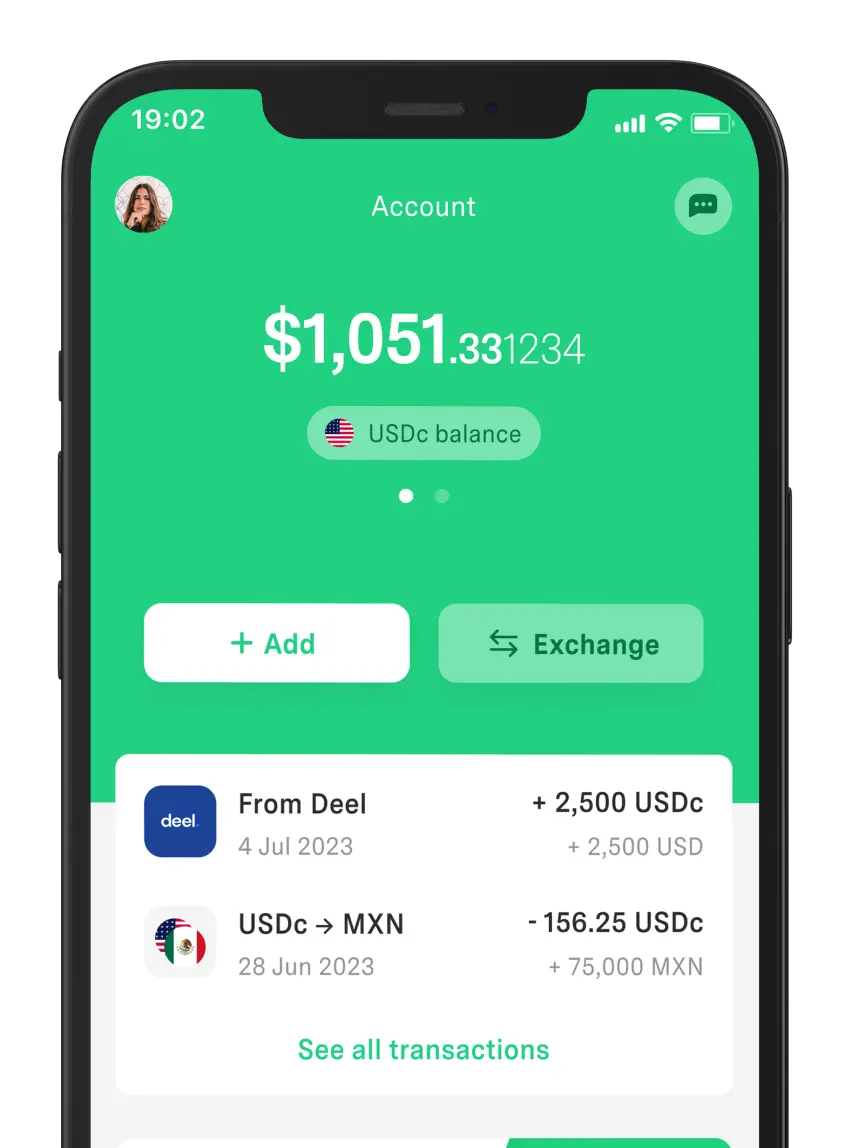
If you want an option to handle international currencies, don’t hesitate to use DolarApp. Not only do we work with digital dollars and euros, but you can also hold, send, receive, or convert them at a fair exchange rate.
Differences Between Personal and Corporate Finance
Although both involve managing resources, personal finance and corporate finance work differently:
Personal finance: manage an individual’s or family’s money to cover daily needs, meet goals, and protect against unexpected events.
Corporate finance: manage a company’s money to finance operations, invest, grow, and generate returns for owners or shareholders.
Even so, they share similarities. Both require a plan, budget, risk analysis, and strategic decisions on how to use money.
Distinguishing both approaches gives you a more complete view for making better decisions in your financial life.
Conclusion
Understanding what personal finance are helps you stop improvising with money and start intentionally deciding what to do with every peso.
That doesn’t mean becoming an expert, but mastering the basics and adapting them to your reality. For example: running a budget, keeping your debts under control, and investing with a clear purpose. It also means understanding concepts like inflation, devaluation, or how rising and falling dollars impact your wallet.
If you apply these principles consistently, you can gain stability, reduce financial stress, and move steadily toward your money goals. Plus, using DolarApp can make a big difference in your financial health.
With our app, you can protect your balance in contexts of inflation or devaluation, since we operate with USDc and EURc. Download it and use it seamlessly for your international transactions from Mexico, Colombia, Argentina, and Brazil.
Frequently Asked Questions
What are personal finance in simple terms?
They’re your everyday decisions about money: how much comes in, how much goes out, how much you save, what debts you take on, and where you invest. Having this foundation clear makes it easier to move toward goals that truly matter.
Why is it important to manage my personal finance?
Because managing your personal finance helps you avoid suffocating debt, lower money-related stress, and build a more stable future. It also lets you anticipate surprises and make decisions with more confidence.
What does personal finance management include?
Personal financial management includes running a budget, controlling expenses, saving, and organizing your debt—plus knowing how to invest based on your goals and the level of risk you’re willing to take.
Do I need to earn a lot to have good personal finance?
No. Even with modest income, you can improve your situation if you control your spending, save, and keep simple financial habits. Daily discipline—not just income level—makes the difference.
Where do I start if I’ve never tracked my money?
Begin by recording everything you earn and everything you spend for a few weeks to identify your starting point. Then build a simple budget and set a first goal—for example, reducing a specific debt.


 Your Money