The Special Tax on Production and Services (IEPS) is one of the most present levies in Mexicans’ day-to-day consumption. Although it often goes unnoticed, you may pay it without realizing it because it’s included in the price of some common products and services.
However, IEPS isn’t always visible on receipts or invoices the way VAT is, which tends to create confusion. This article explains when it applies, how it’s charged, and why it appears only in certain cases.
IEPS in Mexico: What It Is, How It Works, and How It Differs from VAT
What Is IEPS?
IEPS is a federal, indirect tax in Mexico charged on the manufacture, commercialization, or import of specific products and services. The acronym stands for Impuesto Especial sobre Producción y Servicios, and it has a dual purpose:
First, to raise revenue for the State; second, to discourage consumption of products that, due to their nature or effects, the government aims to regulate.
What Is IEPS in Mexico and When Does It Apply?
The IEPS is applied when products considered special by law are produced, sold, or imported, generally because they impact health, the environment, or consumption. In addition, it appears in specific consumption categories.
Some products with IEPS include:
Gasoline and fuels
Alcohol
Tobacco
Sugary beverages
Foods with high caloric density (non-basic)
Some services with IEPS include:
Telecommunications (in certain cases)
Games and lotteries
Depending on the product or service, IEPS may appear in two common forms:
As a percentage of the product’s price or value
As a fixed per-unit quota (for example, per liter or per piece, as applicable)
In some cases, it can be a combination.
What Is IEPS on an Invoice?
On an electronic invoice (CFDI), IEPS may be displayed in different ways depending on the product or service being invoiced:
It may appear within the line-item detail or in the tax summary, depending on how the CFDI was generated.
In typical purchases, it’s often associated with the corresponding line item.
In some cases, it’s less evident than VAT, but it’s recorded within the CFDI.
This is common, for example, on invoices for gasoline or alcoholic beverages.
The business selling the product or providing the service charges it and reflects it in the CFDI. Ultimately, however, the consumer pays IEPS because it’s passed through in the price.
Can a CFDI Include Both IEPS and VAT?
Yes. When a product/service carries both IEPS and VAT, VAT is typically calculated after factoring in IEPS. As a result, IEPS can affect the tax base on which VAT is determined.
Difference Between IEPS and VAT
IEPS and VAT can appear on the same invoice depending on the product or service type.
The difference between IEPS and VAT is:
VAT is a general consumption tax applied to most goods and services.
IEPS is a special tax levied on specific products and services. That’s why it doesn’t appear on every invoice—only when the billed item falls into IEPS-taxed categories.
Understanding this difference helps you set more realistic financial targets.
Here’s a brief IEPS vs. VAT comparison:
VAT
IEPS
Type
General tax
Special tax
What does it apply to?
Most goods and services
Specific products (and some services)
Visible in all purchases?
Almost always
Only in particular cases
Can both appear together?
Yes
Yes
Common IEPS Examples
You’ve likely paid IEPS without noticing—or maybe not—since we’re talking about products regulated or specially taxed. To give you an idea, here are everyday consumption situations:
IEPS examples:
Buying gasoline at service stations
Buying sodas and other flavored beverages
Buying cigarettes and other tobacco products
Buying chocolates, candies, or ice cream (non-basic foods)
Buying beer and other alcoholic beverages
Buying video games with violent content
Consuming specific regulated services, in certain cases
Even if it’s not always obvious at a glance on a receipt, these examples help you recognize when IEPS may be part of the price. With this information, it is easier to make a financial plan and decide where you should adjust your spending.
Who Must Pay and File IEPS?
From a tax standpoint, those obligated to calculate, collect, and file IEPS are the businesses involved in the chain for the taxed product or service. This includes producers, importers, or retailers, since they record the tax in their operations and remit it to the authority.
Although IEPS is an indirect tax and its cost is passed into prices, the end consumer has no tax filing obligations related to IEPS.
Generally, for companies this implies:
Issuing CFDI correctly
Keeping proper accounting control of the tax
Complying with the corresponding tax returns
This way, consumers don’t need to complete any additional procedure when making a typical purchase.
Conclusion
The Special Tax on Production and Services doesn’t apply in every case. Understanding when it appears and how it’s reflected on an invoice helps you better interpret the prices you pay day to day.
Knowing what IEPS is also clarifies how it differs from VAT and helps you avoid confusion when reviewing a CFDI breakdown—especially if you issue invoices as a freelancer or frequently review receipts.
By spotting it quickly, you can better manage your time as a freelancer, since it reduces doubts when invoicing and speeds up tax reviews.
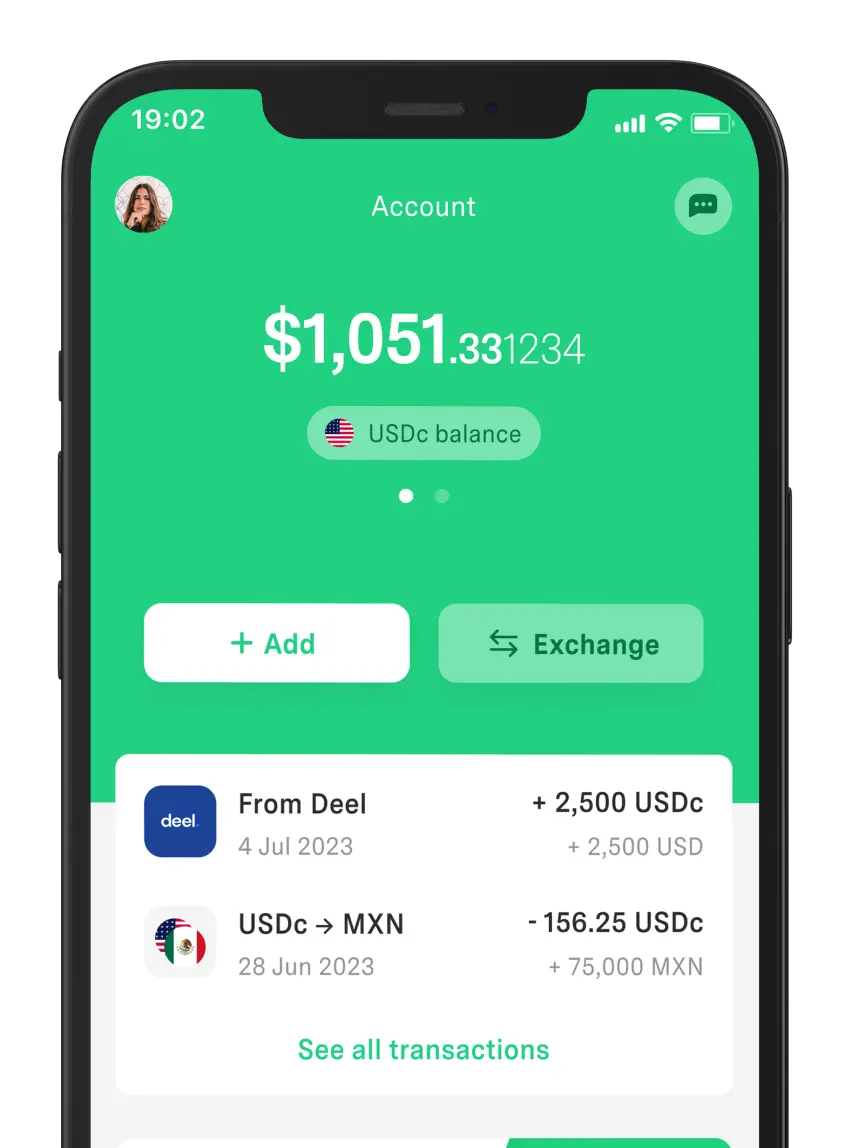
Fortunately, with DolarApp you can keep your money crystal clear at all times—both for transfers and for income in USDc or EURc. The same applies if you need to exchange currencies, as we offer a fair, transparent rate.
So if you work with clients abroad, use DolarApp to get paid for your products or services.
Frequently Asked Questions
What is IEPS in one sentence?
IEPS is an indirect tax in Mexico applied to certain products and services; it’s usually passed into the final amount you pay—even if you don’t notice it.
Which products are subject to IEPS in Mexico?
Among others: gasoline and fuels, alcoholic beverages, tobacco, sodas and sugary drinks. It can also be charged on some non-basic foods with high caloric density.
Does IEPS always appear on the invoice?
Not always clearly. On a CFDI, IEPS may appear itemized as a tax or embedded in the line-item price, depending on the product and how the invoice was issued.
Why is the IEPS sometimes not visible?
In most cases, the IEPS is not shown separately to the consumer, as it is included in the final price, especially for products such as soft drinks or cigarettes.
What’s the difference between IEPS and VAT?
VAT is a general tax applied to most goods and services. IEPS, by contrast, is a special levy charged only on specific, regulated products and services.
Is IEPS federal or state-level?
IEPS is a federal tax in Mexico. Its collection and regulation are federal responsibilities—not state—though its cost is reflected in purchases anywhere in the country.


 Freelancer tips